
Have you ever stopped to think about how something tiny and invisible to the naked eye can change the life of a big, strong farm animal? It is wild when you realize how a parasite, just a tiny creature, can set off a chain of events that nobody expected. This story is not just about a bug or a worm—it is about surprise, resilience, and how nature works in mysterious ways.
Sometimes, it feels like animals on a farm are just living a quiet, predictable life—grazing, sleeping, making babies. But the truth is, their bodies are fighting battles every single day. In veterinary pathology, those battles show up as clues. And every now and then, a common parasite turns out to be the unexpected key to a much bigger story.
Meet Bessie: The Cow with the Curious Case
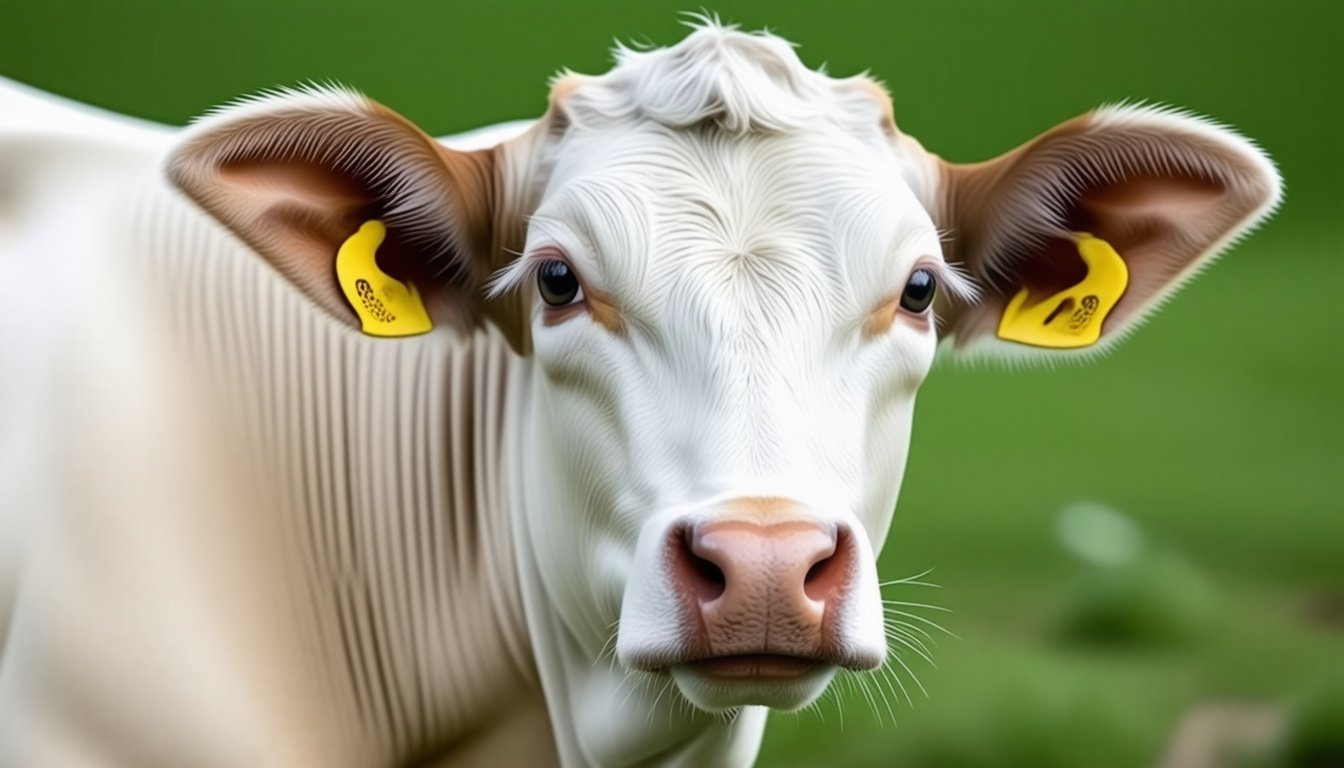
If you ever met Bessie, you would think she was just your average gentle cow—chewing cud, soaking up sunshine, and giving fresh milk. But one summer, Bessie started acting strangely. She looked tired, which is weird for a cow who usually barely stops moving. Her skin looked a little dull, and she lost some weight. Nothing too extreme, but enough to make the farmhands nervous.
The vet came by and looked her over. Blood tests showed anemia—meaning she did not have enough red blood cells. That can happen for many reasons, but in Bessie’s case, a common parasite was to blame. The culprit? Haemonchus contortus, also known as the barber’s pole worm.
What Is This Parasite, Anyway?
Haemonchus contortus sounds like something out of a horror movie, but it is just a tiny worm that lives in the stomach lining of animals like cows, sheep, and goats. It eats blood. Imagine having a tiny vampire inside your stomach, slowly sipping your blood. That is what this worm does. It causes anemia because it steals red blood cells from the host.
Farmers know about these worms—they are a common nuisance. Usually, they treat animals with dewormers, and everything goes back to normal. But Bessie’s story took a turn that nobody expected.
The Unexpected Twist in Bessie’s Tale
When the vet started treatment, they noticed something strange. Bessie’s symptoms did not improve as quickly as expected. Other cows infected at the same time recovered, but Bessie kept getting weaker. The vet ordered a full necropsy after Bessie passed away. That is a fancy word for an autopsy in animals.
What they found blew everyone’s minds. The parasite had done more than suck blood. It had caused internal damage so severe that it triggered something called a secondary infection. That means bacteria, usually harmless or kept in check, took advantage of the damage and spread, causing further harm. This is when the unexpected outcome showed its face.
Why Did This Happen to Bessie?
We can ask why all day long, but sometimes, biology does not give simple answers. Bessie’s immune system was probably already a little worn down. Maybe she had faced other stresses—hot weather, poor nutrition, or maybe even genetic differences that made her respond differently to the parasite.
The parasite’s blood-sucking led to anemia, which meant less oxygen in her whole body. That made it harder for her immune system to fight the bacteria that had slipped in. The bacteria caused a serious infection in her liver—something called an abscess. An abscess is like a painful pus-filled bubble that grows inside tissue. It can cause pain and fever and make animals very sick.
The Bigger Picture: Parasites Can Do More Than We Think
For farmers and vets alike, Bessie’s story was a wake-up call. That tiny barber’s pole worm was not just a simple blood sucker. It was a player in a bigger health game. The parasite had weakened Bessie’s defenses and opened the door to a deadly bacterial attack. This is why vets emphasize checking for parasites early and treating them properly. Sometimes, it is not just about the parasite itself but about the mess it can leave behind.
What Can Farmers Learn from This?
- Regular Monitoring Is Key: Keeping an eye on animals, even when they seem fine, helps catch infections early. A little blood test or stool check can save a life.
- Do Not Ignore Small Changes: If an animal looks off—loses appetite, acts tired, or changes behavior—it is worth investigating. Parasites are sneaky and can hide their damage.
- Balanced Nutrition Helps: Strong animals fight infections better. Good food, clean water, and stress-free environments build immune strength.
- Careful Use of Medications: Overusing dewormers can cause resistance in parasites. It is like antibiotics in people—use them wisely to keep them working.
Why This Story Matters Beyond Just One Cow
When we think about parasites, we often imagine scary stories or yucky creatures. But Bessie’s case reminds us that parasites are part of life, even on farms where animals live close to people. They teach us that health is a balancing act. A tiny parasite can tip the scales, letting bigger problems sneak in.
Veterinary pathology—the study of disease in animals—not only helps save animal lives but also protects farms, food security, and sometimes even human health. Parasites like Haemonchus contortus can sometimes spread diseases or teach us how to spot warning signs early.
Could There Be a Silver Lining?
As sad as Bessie’s story is, it opened doors for better understanding. Researchers studied her case and learned how to detect secondary infections faster. Farmers changed their routines to check their herds more closely. Sometimes, an unexpected outcome pushes everyone to be a little smarter, a little more careful.
And here is a thought: maybe animals like Bessie are unsung teachers. We watch and learn from their struggles, then use those lessons to help the next generation. It makes you think about the quiet lives of animals on farms—the dramas unfolding beneath calm surfaces.
What Happens Next in Farm Animal Care?
Veterinarians are developing new tools all the time. Some use blood tests that give instant results right on the farm. Others look for genetic clues that show which animals may be more resistant to parasites. The goal is not just to kill parasites but to make animals stronger naturally.
Farms are becoming smarter places too, with better hygiene, pasture rotation (moving animals to fresh fields to break parasite cycles), and precise medicine. It is like a health detective story that never ends, with new clues and surprises along the way.
Final Thoughts on Tiny Villains with Big Effects
Parasites are part of nature, and on farms, they come with their share of trouble. But they also remind us how connected everything is. One little worm can change the fate of an animal, and in turn, the family that depends on that animal. It is a humbling reminder that care, attention, and kindness go a long way.
The next time you hear about a parasite, think about Bessie. Think about how something so small can shake the whole system. And remember that behind every farm animal is a world of quiet battles, hidden stories, and unexpected outcomes.
Looking after animals is not just science. It is heart. And sometimes, the smallest creatures teach us the biggest lessons.