
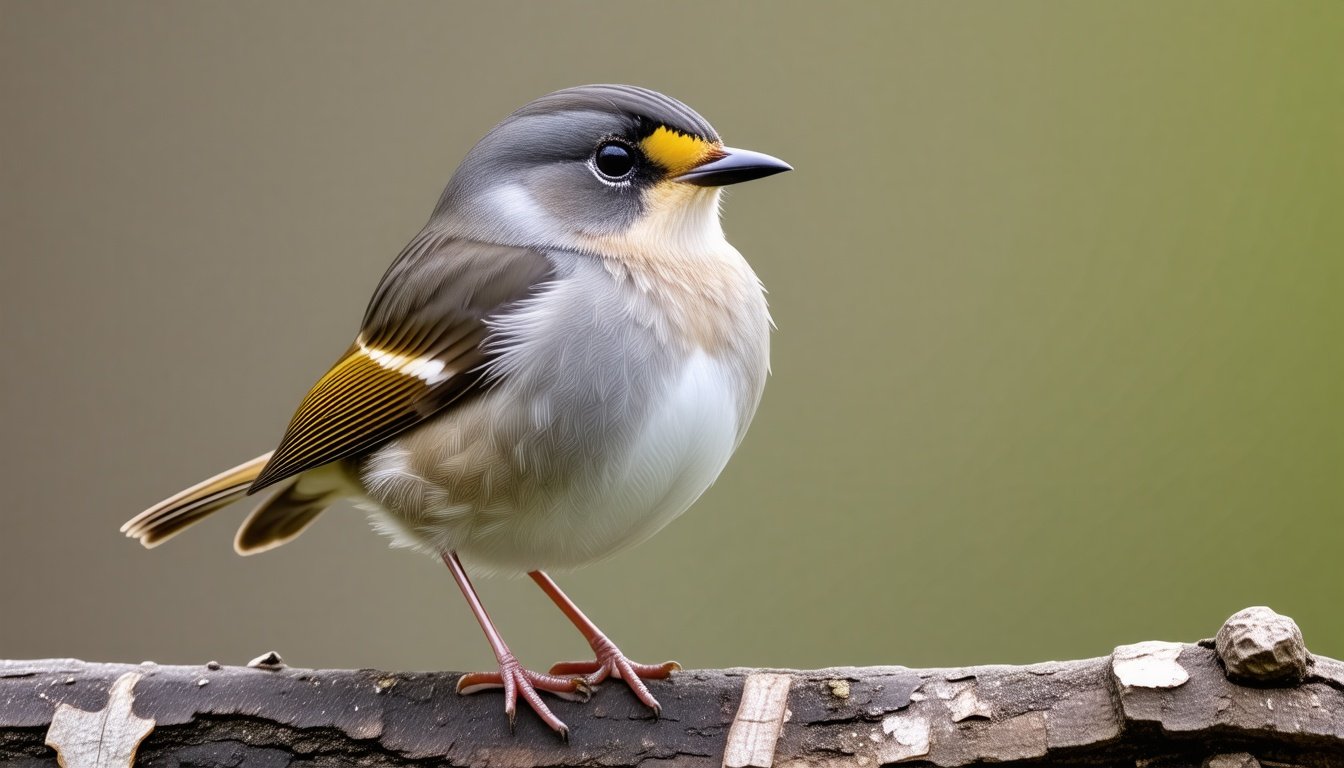
I never thought a wild bird could shake up the way I see the entire world. You know, I had this quiet little moment, the kind that sneaks up on you when you least expect it. It happened during a casual walk in the woods, where I stumbled upon a bird that was clearly not doing well. The scene looked so ordinary: a small, disheveled sparrow, barely fluttering. But what I learned from that moment stuck with me and changed how I feel about the environment and all the mess humans make without even realizing the damage.
If you had told me before that day that a single creature could shift my entire understanding of environmental impact, I probably would have laughed. But there I was, gently holding this fragile being, feeling its rapid heartbeat, and wondering what invisible pressures had pushed it to this point.
The Unexpected Encounter
Sometimes, life throws little surprises at you. This sparrow was one of those. It was clear something was wrong. Its feathers were ruffled, eyes glossy in a way that told me it was struggling inside, not just physically but in ways I could not see.
I work with veterinary pathology case studies sometimes, mostly the routine stuff in clinics or labs. I never expected that in the middle of a forest, a wild bird could become a living case study — an urgent message wrapped in feathers and tiny bones.
I carried the bird to a nearby wildlife rehab center, where specialists ran tests and found a series of problems. Not just physical wounds or obvious infections, but trace amounts of toxins. Subtle, yet potent. Chemicals that should never have been anywhere near a small sparrow. It hit me like a punch. How many other creatures are quietly suffering these invisible injuries? How many voices go unheard?
What Veterinary Pathology Taught Me
If you are new to veterinary pathology, here is a quick heads-up. It is the science of understanding diseases and injuries in animals by studying their tissues, organs, and bodily fluids. You get to peek inside the worst-case scenarios that animals deal with, and sometimes you uncover clues about the bigger picture — like what is happening to entire ecosystems.
When I got involved in that case, pathology was not just a subject on a page anymore. It was real, urgent, emotional. The toxicology reports showed we are not just messing with the environment on the surface; these poisons trickle down into the tiniest, most fragile lives. That sparrow was a symbol — the canary in the coal mine, literally.
A Tangle of Toxins and Tiny Victims
What struck me was how tiny traces of pollutants affected the bird in ways that were almost invisible but devastating. These were not accidents or one-off incidents. Birds like this sparrow are exposed to pesticides, heavy metals, and industrial runoff daily, and the effects pile up like an invisible mountain.
- Neurotoxins messing with behavior: The bird’s coordination was off. It struggled to balance and fly properly. In pathology, this pointed to nerve damage, often linked to chemical exposure.
- Immune suppression: The sparrow’s defenses were shot. It was vulnerable to infections that a healthy bird would easily fight off.
- Reproductive problems: Though harder to detect right away, pathology studies tell us these chemicals affect the ability to breed and raise young, threatening population survival.
All of this from a world we do not even see. It was a pinch-me moment, realizing tiny creatures are paying the price for our everyday choices — spraying lawns, releasing pollutants, or even littering.
Human Impact in Micro Form
The sparrow’s condition was a mirror of our environmental footprint compressed into one small body. It reminded me that the natural world is a web, tightly woven and sensitive. When one thread frays, the whole net can unravel.
It also made me question: how often do we pause to think about the invisible consequences of our actions? And what happens when the smallest creatures start failing? Do we listen, or do we ignore the alarms?
Lessons Beyond Biology
This experience taught me things no textbook ever could.
First, empathy. Veterinary pathology sometimes feels clinical, like diagnosing a problem on paper. But holding that sparrow, feeling its rapid breath and fragile pulse, I understood that every scientific term represents a life — scared, suffering, and struggling.
Second, responsibility. How can we sit comfortably when the air, water, and soil we depend on carry poison? If tiny birds fall sick, what hope does anything else have?
Lastly, hope. The bird survived with care and patience, and so can the environment if we wake up and change course. Small changes can be powerful. It makes me wonder:
- What if more people saw these stories through the eyes of veterinary pathology?
- Could it spark a movement to take cleaner, smarter care of our world?
- Can we learn to listen to the silent suffering around us?
Simple Actions That Matter
After that encounter, I swapped out a few habits.
- I chose products without harsh chemicals. It is easy to grab the spray bottle, but what is in it often affects creatures beyond us.
- I supported wildlife rehab centers and organizations that track environmental toxins in animals.
- I shared stories with friends and family, because change starts with awareness.
Some days I feel small and helpless, staring at the big problems of pollution and habitat loss. But watching that bird recover reminded me that care, even tiny care, ripples outward. If everyone did one small thing, it could add up.
The Bigger Picture in Tiny Feathers
What I learned? Environmental impact is not just a far-off headline or abstract number. It is a sparrow gasping for breath, a butterfly failing to fly, a fish swimming in poisoned waters. These are not separate stories; they are threads in the same fabric.
Each veterinary pathology case study I encounter confirms this truth. Every life matters, connected and fragile. Protecting wildlife means protecting ourselves and the future.
Next time you see a bird, a bug, or a flower, think of the hidden battles beneath their beauty. It might just change how you treat the earth, and that is something worth holding onto.