
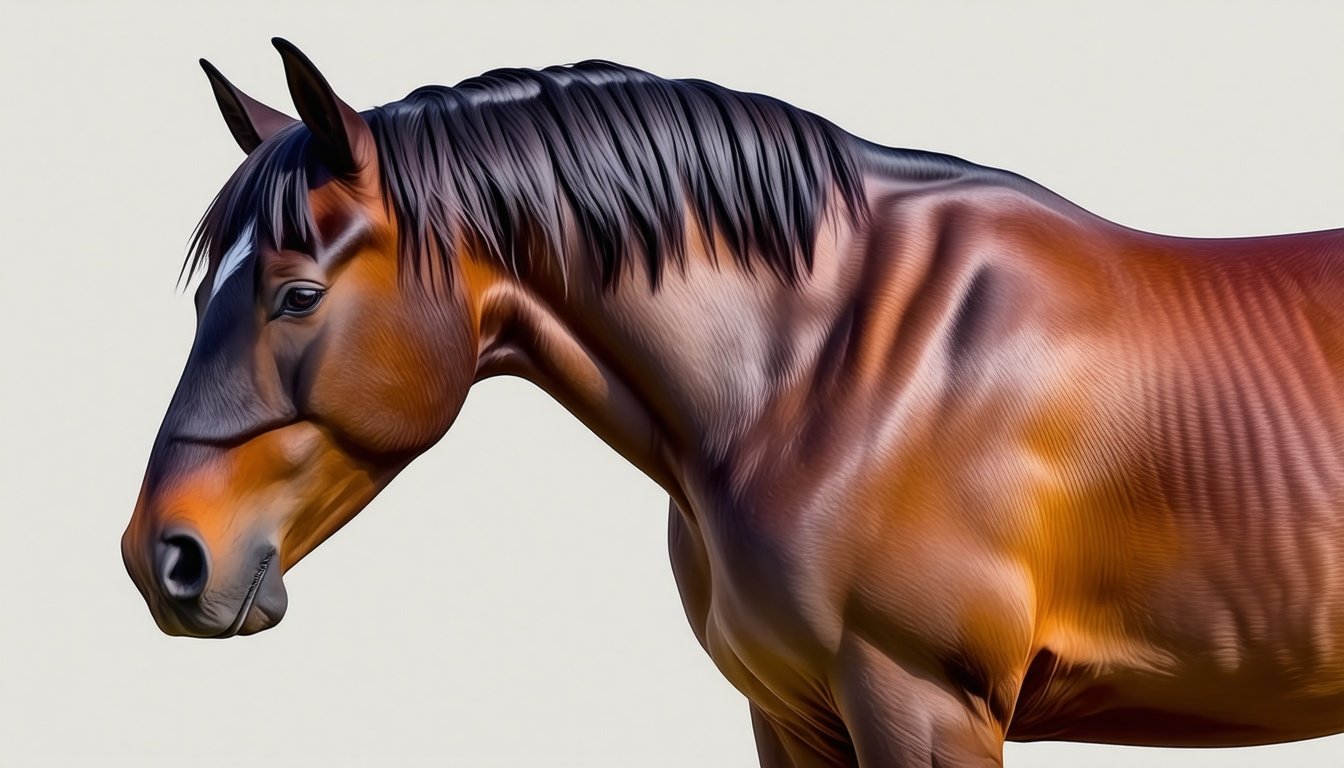
When I first heard the words “chronic liver disease” connected to a horse, I pictured the usual suspects: a sluggish animal, perhaps jaundiced, maybe off its feed, looking like it had just lost a duel with life itself. I imagined symptoms piling up one after the other, textbook style, like a bad checklist. What I did not expect was the way this case flipped all those expectations on their head and threw me into a whirlwind of surprises. Because horses, it turns out, have their own mysterious vocabulary when it comes to illness.
Here I was, ready to play detective, armed with my knowledge from countless veterinary pathology case studies. But instead of a clear trail, I stumbled into a maze that forced me to rethink everything I thought I knew about liver disease—and horses.
A New Kind of Puzzle
Let us take a step back. Chronic liver disease, in general, means the liver has been damaged over a long time. Unlike sudden liver problems that hit hard and fast, chronic liver issues creep along quietly and steadily, sometimes going unnoticed until they are really bad.
In many animals, including dogs and cats, and even in people, this chronic decline shows itself in often predictable ways. Fatigue. Yellow skin or eyes (jaundice). Weight loss. Swelling in the belly. And a vaguely “off” feeling you just cannot shake. But that day in the barn, looking into the eyes of that horse, I realized horses speak a different language.
The Horse That Didn’t Fit the Script
The horse was not sick in any obvious way. He was alert, curious, almost bright-eyed. No yellow tint anywhere. He still munched grass, albeit with less enthusiasm than before, but otherwise carried on like a champ. No coughing, no oozing wounds, no limp. And this, even though blood tests told a different story—his liver enzymes were off the charts.
My first thought? We had a lab error. But no. Those numbers were real. The horse’s liver was struggling. Really struggling. Yet, the outward signs were subtle, almost invisible.
How could this be? Was it possible that horses hide their pain better than we give them credit for? Or maybe, just maybe, their bodies find clever ways to patch up problems silently?
The Unsung Signs You Might Miss
Chronic liver disease in horses does not shout. It whispers—or sometimes just barely clears its throat.
- Behavior changes: Rather than collapsing into obvious sickness, horses might get moody, irritable, or unusually quiet. Not the kind of signs that make you rush to the vet immediately.
- Weight shifts: Instead of dramatic weight loss, it can be more like a slow slide downward, almost like the horse is gradually losing the spark in its muscles, a slow fading rather than a crash.
- Digestive hiccups: Mild colic, occasional diarrhea, or just a decreased appetite for their favorite treats. Not the full-on gut-wrenching episodes you might expect.
- Altered coat: The hair might look dull or patchy, but not necessarily scruffy or falling out en masse.
Each of these signs is tiny alone. Together, they can masquerade as simple “moodiness” or “old age.” It is easy to overlook them, especially when horses tend to be such stoic creatures.
What the Liver Does and Why That Matters
Everyone knows the liver is important—it filters toxins, processes nutrients, makes proteins, and more. We assume when the liver is sick, the whole body will scream for attention. But horses have some tricks up their proverbial sleeves. Their large size and unique metabolism might buffer them in ways other animals cannot do.
The liver damage in horses sometimes remains under the radar because their bodies compensate beautifully. Maybe a part of the liver fails, but other parts kick into overdrive. Maybe toxins build up slowly, giving the horse’s brain and other organs time to get used to slightly abnormal conditions, so the horse barely notices.
In our horse’s case, this meant his blood tests looked bad, but his “performance” held on longer than expected. It was a fascinating and frustrating puzzle—a health mystery wrapped in a big, hairy, beautiful package.
The Emotional Side of a Slow Decline
Watching an animal, especially one you care about, slip away into chronic illness without screaming for help is heartbreaking. It is a slow fade, a quiet undoing, and it stings in a way you are not quite prepared for.
That horse—he was not just a patient. He was a companion. His subtle changes felt personal, like a friend slowly withdrawing from your life. It made me realize how important it is to tune in not just to the obvious but to the faintest of signals.
You start to see what you cannot measure with blood tests or ultrasound machines. You see the little things—a flicker of hesitation, a softer nicker, a slower step.
Why Vets and Owners Both Need to Listen
This experience smacked me with one hard truth: vets can run all the tests in the world, but owners are the eyes and ears for the horse every day. They catch the tiny things. The horse not quite lifting its head as high, the way it chews a bit slower, or how it might pause before entering the barn.
Without that day-to-day attention, chronic problems can slip through, unnoticed until too late.
Building trust between vets and owners is key. When both sides share what they see and feel, diagnosis becomes more than just numbers and scans; it becomes a story, full of nuance and depth.
Lessons from the Liver
After months of watching this horse and learning from his subtle signals, I walked away with a fresh perspective on chronic liver disease—not just in horses, but in all animals (and maybe even people).
- Sometimes, illness does not look sick.
- Sometimes, silence speaks louder than symptoms.
- Sometimes, patience and close observation matter as much as tests.
And most of all, horses remind us that nature does not always follow our neat little textbooks. They march, trot, and gallop to their own beat, stubborn and beautiful.
A Final Thought
That horse, the one whose liver was quietly failing, never stopped teaching me. Whether it is a horse with an invisible illness or a dog with a silent pain, the real work happens in the quiet moments—the moments when you stop, look closer, and really listen.
In the end, chronic liver disease in a horse taught me more about empathy and attention than any textbook ever could. It reminded me of the magic in the small things, the power in patience, and the deep, often unseen connection between us and the animals we love.