
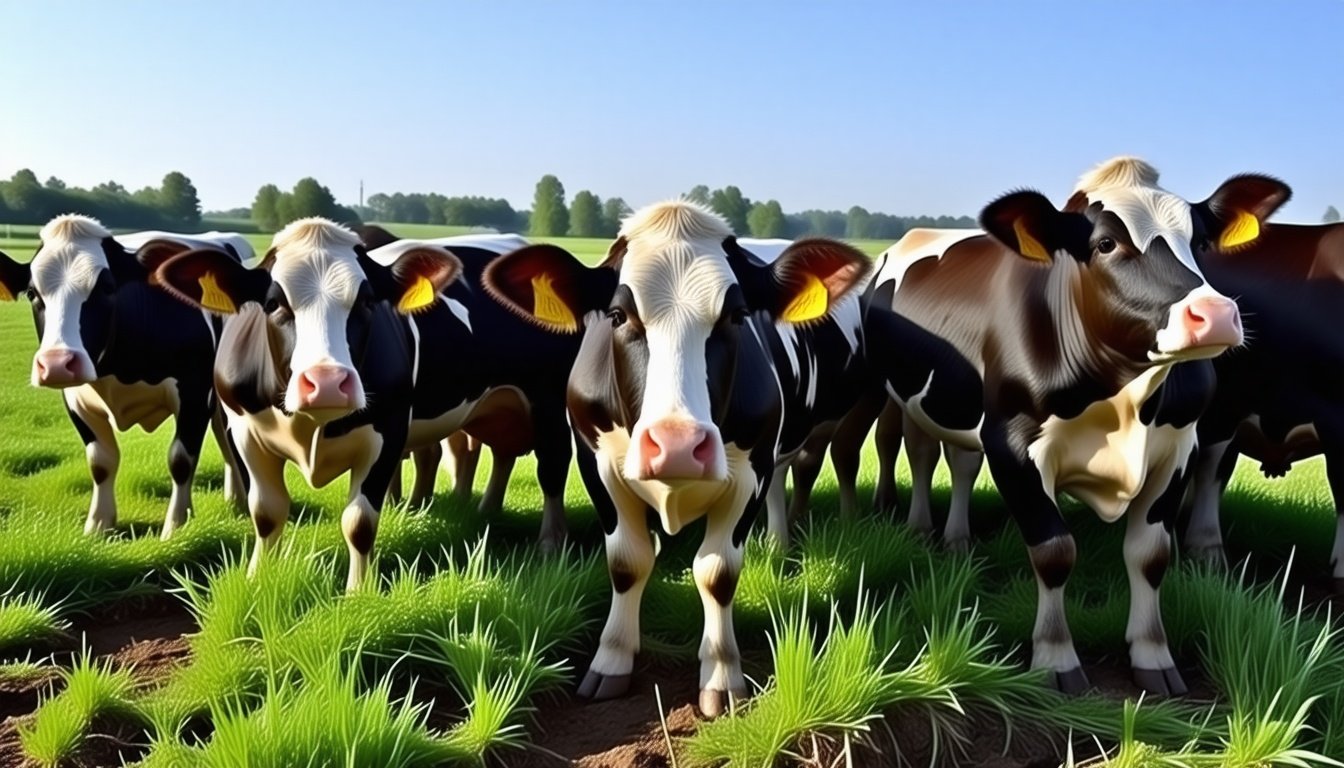
Sometimes, the quietest farm can hold the loudest mysteries. A herd of cows that stop eating, a flock of chickens suddenly acting strange, or a group of pigs just… not right. When a farmer calls in a veterinary pathologist to investigate a possible toxicity, it feels like stepping into a detective story. Except the clues are a little different. No fingerprints, no suspects running away. Just symptoms, tissues, and the desperate hope to fix what is broken before it breaks everything.
Investigating suspected toxicity in farm animals is not just about science. It is about people, their livelihoods, and the animals they care for. It is also about frustration, sleepless nights, hope, and sometimes heartbreak. I have been on more than one of these cases, standing in dusty barns, leafing through lab reports, and sitting across from farmers whose faces tell stories words cannot. Here is what I have learned from those times—lessons not only for my work but for anyone who loves animals, farms, or just good old-fashioned problem-solving.
The Beginning of the Puzzle: Symptoms Tell a Story
The first step usually begins with noticing something is off. It might be subtle—a cow a little slower, a pig a touch restless—but it grows. One animal becomes a few, a few become many. The farmer calls me, voice tight with worry.
Here’s the thing: animals cannot tell us what hurts or what they ate. We cannot ask, “Did you eat that weird plant?” or “Have you been near the chemicals?” We only get signs. And sometimes those signs are confusing. Diarrhea, weakness, sudden death—sounds simple, but those can mean dozens of things.
Trust me, it can feel like shouting into the wind trying to figure out what’s happening. But every sign matters.
- Is there a pattern in which animals fall ill? Age, breed, location?
- Are symptoms sudden or slow?
- What has changed recently on the farm? New feed, new water source, new neighbors?
Answers to these questions open gates. They narrow down the possibilities. That’s the start of the story.
Listening to the Environment
Farms are ecosystems. Everything interacts—soil, water, plants, animals, and people. When something toxic appears, it usually hides somewhere in these interactions. Sometimes it is easy to spot, like a spilled chemical. Other times, it is a sneaky fungus growing quietly on stored hay, or a heavy metal in a well that nobody tested for in years.
Walking through a farm is like scanning a landscape of potential hazards. Sometimes I collect samples—soil, water, feed—and send them off for testing. Other times, it is about asking questions: Where do you keep the feed? Do the animals have access to strange plants? How long have you had the symptoms?
Here is a little secret: farmers often know their land better than anyone else. Listen carefully to what they remember and what they think isn’t important. What may sound like a small detail might be the smoking gun.
When the Lab Becomes Our Best Friend
Once the samples arrive at the lab, the real detective work begins. Looking at tissues under the microscope, running chemical tests, searching for clues that the naked eye cannot see. It is slow work, sometimes frustrating, but it is magic in its own way—like using a magnifying glass to see the hidden story written in cells.
One of the hardest parts is that not every test gives a clear answer. Sometimes all the results come back normal, and the mystery remains. Other times, there are red flags—poisons, bacteria, viruses—but then the question becomes, “How did they get there?” It is like following footprints across a farmyard at night.
I have learned to never rush these tests. Taking the time to get good samples, repeat tests if needed, and double-check results saves heartbreak later. There is no room for guesswork when animals’ lives and farmers’ futures hang on the line.
Trust Your Gut, But Check Your Facts
In this line of work, experience is a double-edged sword. On one hand, familiarity with common toxins and diseases means recognizing patterns quickly. On the other, it can lead to assumptions that shut down fresh thinking.
Here is a story: Once, a farmer called me after several sheep died suddenly. The usual suspects were ruled out—no infectious disease, no obvious poisons. My gut said it was a plant toxic to sheep. But the plant in question was rare in that region. Instead of jumping to conclusions, I took samples back to the lab and ran tests for heavy metals. Turns out, a nearby industrial site was polluting the pasture with lead.
Always trust your instincts, yes. But always check the facts. Follow the evidence wherever it leads, even if it is uncomfortable or unexpected.
People Are at the Heart of the Investigation
It is easy to forget sometimes that behind every sick animal is a person—often more than one—whose life is tangled with the animal’s. Farmers pour their hearts into their work. Their animals are not just stock; they are family, income, and identity.
Delivering bad news or uncertain answers is one of the hardest parts. Sometimes I want to promise, “I will fix this.” But often, it takes time, patience, and perseverance. The hardest lesson is to be honest without taking away hope.
Another thing: many farmers have wisdom passed down through generations. Some old remedies or observations can hint at causes that modern science might miss. Conversations that listen and respect this knowledge can open doors that strict science alone cannot.
Lessons From Failed Investigations
Not every investigation ends with a clear cause or cure. Sometimes, no amount of tests and questions uncovers the reason the animals became sick. I have learned to accept this reality without giving up.
Failing to find an answer is not failing the animals or the people. It means keep looking, keep observing. It means improving farm management to prevent future risks, even if the present cause remains hidden.
After one such “unsolved” case, I worked with the farmer to improve feed storage and water testing, reduced exposure to unknown plants, and monitored the herd more closely. Weeks later, no more animals fell ill. No big flashy diagnosis, but a slow, steady win.
Here is what failure taught me:
- Sometimes prevention is the best cure.
- Listening to small details early might prevent larger problems later.
- Always circle back to the farm regularly; things change.
- Patience is as important as knowledge.
The Unexpected Hero: Teamwork
Turns out, toxicology in animals is too big of a puzzle for one person alone. Veterinarians, pathologists, toxicologists, farmers, laboratory technicians, and sometimes government agencies all chip in pieces.
I remember a case where a mystery toxin was affecting pigs. We needed help from an environmental scientist to test water, a chemist to analyze samples, and a livestock nutritionist to check the feed. Not one person knew the whole answer. It was only when all voices came together that we found a pesticide contaminating a batch of imported grain.
That moment reminded me to never work alone. The world is too complex, and good minds make a better team.
Small Steps Make Big Differences
One of the best things I have seen is how small changes on a farm can prevent toxicity. Whether it is changing the feed source, improving ventilation, checking water regularly, or removing suspicious plants from grazing areas—these small steps add up.
Farmers who listen, learn, and act quickly often stop problems before they grow. That gives me hope. Science and knowledge matter, but so does watching, caring, and reacting.
Why All This Matters to You
You might not own a farm. You might not work with animals. But that does not mean these lessons do not touch your life. Our food comes from farms. The health of animals affects the health of people. Toxicity in farm animals can lead to toxins entering the food chain, risking human health. Plus, understanding how these investigations work can help us all appreciate the work behind every bite of food and every product from the farm.
And who knows? Maybe one day you will find yourself caring for a sick pet or noticing strange symptoms in a neighbor’s livestock. Having a little insight might just make you the hero.
Final Thoughts (Without Sounding Like a Speech)
Investigating suspected toxicity in farm animals is a messy, emotional, and complex business. It mixes science with the lives and stories of animals and people. It requires patience, teamwork, and a little humility. Sometimes answers come fast; other times they take months, and sometimes they never come at all.
But every investigation teaches something—about the land, the animals, the chemicals, and about ourselves. It reminds me why I love this work, why I keep coming back to dusty barns and late nights in the lab. Because every animal, every farmer, deserves someone who does not quit.