
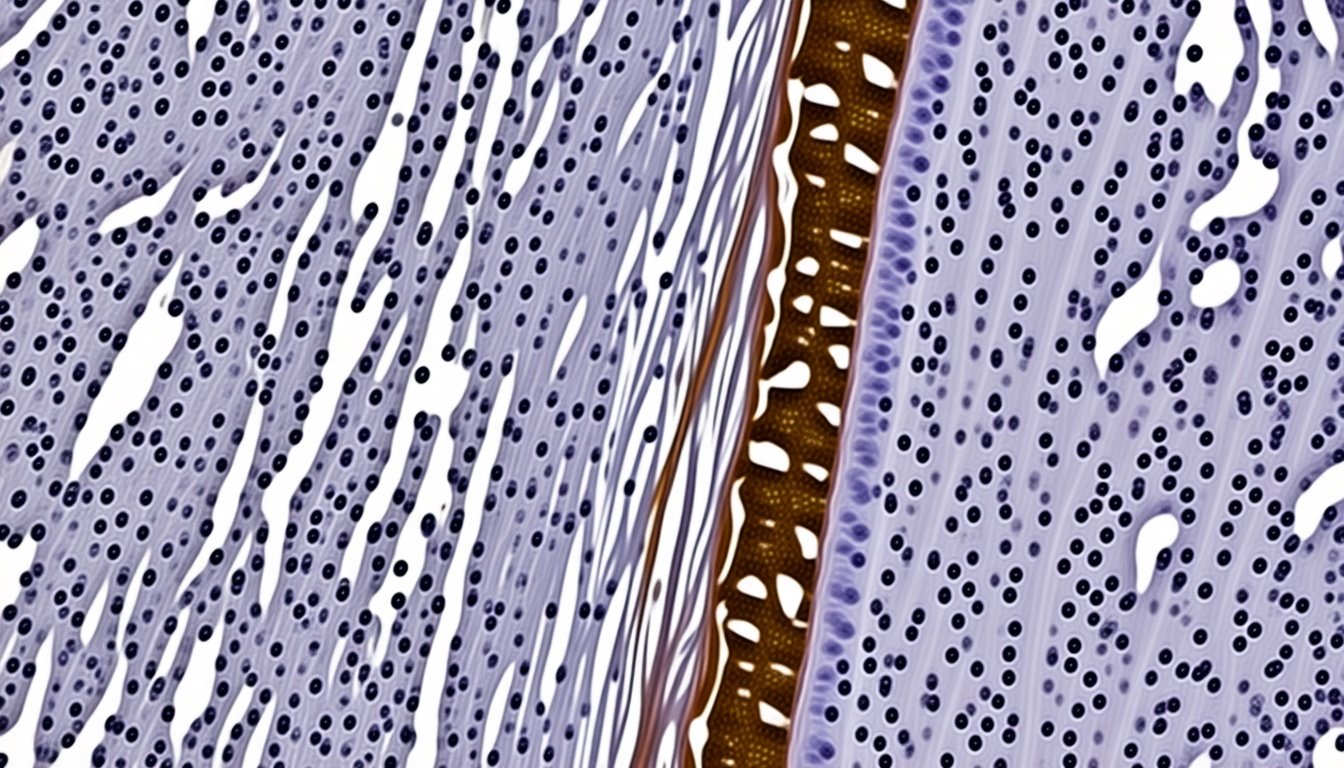
Let’s be honest for a second—cancer is about as scary in dogs as it is in people. We all want to protect those wagging tails and warm, sloppy kisses from something nasty sneaking up on them. But here’s the kicker: not all cancers are the same. Even when two pups get diagnosed with cancer, what’s brewing underneath can be radically different. That’s where immunohistochemistry, or IHC for those who love acronyms, steps into the spotlight like a detective with a magnifying glass.
Maybe you have a dog. Maybe you have a soft spot for animals in general. Either way, understanding how scientists and vets figure out what kind of cancer a dog has is pretty fascinating—and can make all the difference between guessing and knowing how to help. So let’s break it down, chat about this cool science stuff in a way that actually makes sense, and show why IHC matters more than you might think.
Why Bother Identifying the Type of Canine Cancer?
Imagine you find out your dog has cancer. Immediate panic, right? Then the next question pops into your head:
- What kind of cancer is it?
- Is it aggressive or slow-moving?
- What treatment will work best?
Doctors and vets want answers, too. But here is the thing: looking at cancer cells under a microscope can tell you some stuff, but not everything. Sometimes, two cancers look nearly identical when you just glance at them. They wear similar “costumes,” if you will, but under the hood, they are very different. That matters because treatments that work on one cancer might not touch the other.
Enter IHC, the science that lets pathologists peek deeper into the cancer cells and see what they are really made of. It helps pin down the subtype—like a dog breed judge picking out a whippet in a pack of greyhounds.
Okay, What Exactly Is Immunohistochemistry?
Sounds fancy, but it is really just a method that uses special markers—kind of like molecular highlighters—to tag specific parts of cells. Here is a super simple way to imagine it: think of cancer cells wearing invisible badges. With the help of IHC, the pathologist can spray on chemicals that stick only to certain badges, lighting them up under a microscope.
This method won’t just say, “Yep, this is cancer.” It says, “A-ha! This cancer is from this type of cell, behaving like this, and we should probably treat it this way.” The amazing part? These badges (called antigens) are like fingerprints. Different cancer subtypes have different fingerprints, so you get the right identity.
The Day-to-Day Power of IHC in Real Veterinary Clinics
Picture a veterinary pathologist’s day. It is not all sterile lab coats and scribbling notes. Sometimes, it is high-stakes detective work. When a dog shows up with a suspicious lump or strange symptoms, the vet sends a biopsy—a tiny piece of tissue—to the pathologist. The pathologist slices it thin, dyes it, and starts peering into the microscopic world.
Regular staining methods can give some clues: Is it inflammation? Is it cancer? But what kind of cancer? That is where IHC shines, guiding the team toward answers that might otherwise remain hidden.
Here is a simple but concrete example:
- A dog has a mass on its spleen. That could be a hemangiosarcoma (a deadly blood vessel cancer) or lymphoma (a cancer of immune cells).
- Under a regular microscope, they might look confusingly similar.
- IHC uses antibodies that stick specifically to blood vessel markers or immune cell markers.
- If the antibodies light up blood vessel markers, it confirms hemangiosarcoma. If immune markers light up, it is lymphoma.
- Treatment and prognosis change completely depending on that distinction.
Breaking Down a Veterinary Pathology Case: When IHC Solved the Mystery
Let me tell you a story that stuck with me. It involves a golden retriever named Max, who was suddenly acting tired and off his food. The vet found swollen lymph nodes and knew something was not right. A biopsy was taken, and the first look under the microscope hinted at lymphoma. But wait—there was something odd about the cell shapes.
The pathologist decided to use IHC. They sprayed on markers that identified B cells and T cells, the two main immune cell types involved in lymphoma. The results? Max’s cancer was mostly T-cell lymphoma. Why does that matter? Because B-cell lymphomas often respond better to treatment, while T-cell types can be tougher to treat.
This finding gave Max’s vet the direction needed to choose more aggressive and targeted therapy. Max had more fighting chance because of that extra step, that extra layer of detective work.
Which Antibodies Do They Use in IHC for Canine Cancers?
Now you might wonder: what are these markers made of? How do pathologists pick them? There is a whole toolkit, but here are some common ones:
- CD3 – Tags T cells. Helps identify T-cell lymphomas.
- CD20 and CD79a – Tag B cells. Used for B-cell lymphomas.
- Vimentin – Marks mesenchymal cells (think connective tissue cancers like sarcomas).
- Cytokeratin – Tags epithelial cells, helpful for carcinomas.
- Desmin – Indicates muscle-origin tumors.
- Factor VIII or CD31 – Highlights blood vessel cells, used for hemangiosarcomas.
By mixing and matching these, pathologists can play molecular mix-and-match until they nail down the tumor identity.
Why Is Getting the Cancer Subtype Right So Important?
Think of cancer treatment and prognosis as a maze. Without a solid map, you might go in circles. If you guess wrong, the treatment might not work, wasting time and money—and worse, losing precious time for your dog.
When the type of cancer is clear, vets can:
- Pick the right chemotherapy drugs.
- Decide if surgery is possible or necessary.
- Judge how fast the cancer might spread.
- Communicate better with pet parents about what to expect.
It is like tuning a radio station exactly; otherwise, all you get is static.
And What About Challenges in Using IHC?
Nothing in life is perfect, right? IHC is powerful but comes with a few hurdles.
- Cost and Availability – Not every vet clinic can run these advanced tests, and the price can add up.
- Tissue Quality – The biopsy sample has to be taken and handled properly. Otherwise, the markers might not work well.
- Interpretation – Reading IHC results takes skill and experience. Two pathologists might sometimes interpret results differently.
Still, the benefits usually outweigh these bumps on the road.
What Does the Future Hold for IHC in Veterinary Medicine?
The science of cancer is never standing still. Researchers are always hunting for new markers, better antibodies, and more precise ways to understand tumors. Imagine a future where a single drop of blood could give you a molecular profile of your dog’s cancer, guiding treatment with laser focus.
For now, IHC remains a vital tool in the vet’s toolbox, helping unravel the mysteries lurking in that tiny tissue sample.
Wrapping Up the Story
IHC might sound like a mouthful, but it is really about giving dogs the best fighting chance. It is about not settling for “just cancer” but digging deeper to understand the exact enemy. When Max, or any dog, faces cancer, that extra layer of science stands between guessing and knowing—and that can feel like the difference between hope and despair.
So next time you hear about veterinary pathology or fancy lab tests, remember that behind those terms lies a story. It is one of love, hope, science, and the relentless quest to keep our four-legged pals healthy and wagging for as long as they want to.