
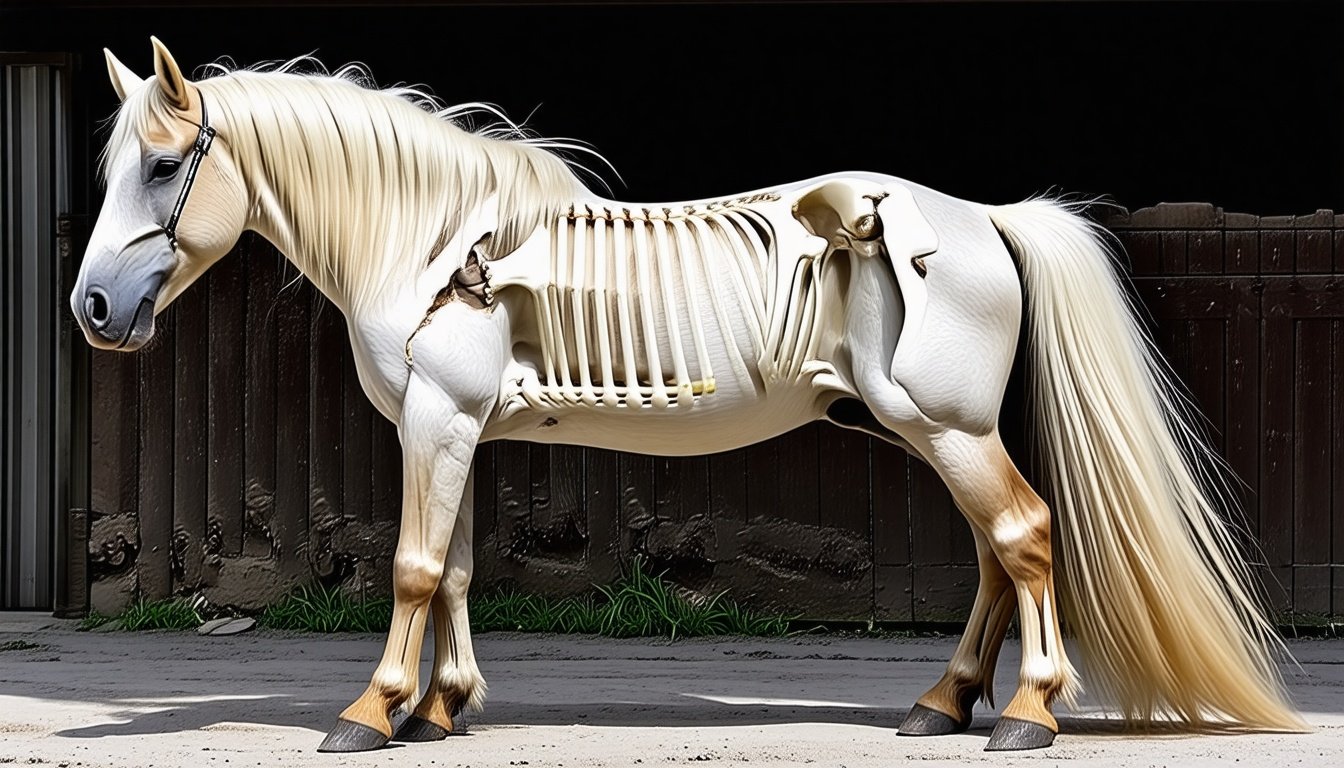
Watching horses gallop across a field always feels a little magical. They move with such power and grace that it almost seems effortless. But beneath all that beauty, horses carry a weight—sometimes literal, often invisible—that most people do not see. Their bones, muscles, and joints endure enormous strain every day. If you have ever wondered what goes wrong inside a horse’s body, especially when things do go wrong, you are in the right place.
I recently spent months immersed in a long-term study about equine musculoskeletal lesions. Yes, that phrase sounds dry. But the story behind it? It changed the way I think about horses forever. And if you are curious about what happens when muscles and bones start to fail these majestic animals, stick around. This is not just veterinarian jargon or cold science. It is a tale about resilience, vulnerability, and the struggle hidden beneath a shiny coat and proud stance.
Why Study Equine Musculoskeletal Lesions?
First, a quick bit about what we are talking about. “Lesions” is just a medical way to say “damage” or “injury.” When it comes to muscles and bones, lesions might mean cracks in bones, wear and tear on joints, inflammation in tendons, or tiny tears in muscles. These problems can cause pain, lameness, or even long-term disability in horses.
Horses are athletes by nature, but unlike human athletes, they cannot tell us exactly what hurts or where. They hide pain well. Sometimes, they even mask serious injuries until it is too late. That is why veterinary pathologists—people who study the causes and effects of diseases—need to do detailed observations, tests, and autopsies (called necropsies in animals) to understand what is happening.
What this particular study did was follow a group of horses over a long time. Some were racehorses, others were pleasure horses; some young, others old. The researchers carefully recorded any evidence of musculoskeletal damage through exams, imaging tests, and final tissue analysis after death. The findings? They shook up a lot of expectations I had and stirred emotions I did not expect.
The Hidden Toll of a Horse’s Work
When you watch a horse at work—sprinting, jumping, pulling a cart—it looks magnificent. There is something about their stamina that makes you believe they are almost invincible. But the study showed otherwise.
Even horses that seemed perfectly healthy on the outside had tiny, sometimes microscopic, lesions inside. These small injuries were often invisible to the naked eye and sometimes did not cause any obvious limping. But over years, these “silent” lesions piled up, weakening the horse’s musculoskeletal system.
It made me think: how many times have we ignored small signs in people or animals because they “seemed fine”? The horses taught me that damage is not always loud or obvious. Sometimes, it whispers. And ignoring whispers can lead to a shout later.
What the Lesions Looked Like
- Bone Changes: Tiny cracks and areas of softened bone were surprisingly common. Some horses had bone lesions in their knees, hocks, and backs. These spots were like stress fractures before they fully formed—silent warnings of overload.
- Joint Wear: Cartilage degradation appeared early and sometimes went unnoticed until it caused pain. The cartilage is the smooth cushion in joints, and when it wears away, movement becomes painful and stiff.
- Tendon and Ligament Strains: These soft tissues often had tiny tears or areas of inflammation. Since tendons and ligaments support joints, damage here destabilizes the whole system.
- Muscle Scars: Old muscle injuries sometimes showed up as fibrous scars, which reduce flexibility and strength.
What struck me was how often horses carried more than one type of lesion. Damage was rarely isolated. The body struggles in complex ways, reminding me that health is a whole system, not just one part working perfectly.
The Emotional Weight of This Knowledge
Reading through the details was hard. These horses had no voice to say “I am hurting.” Their bodies told a story of wear, strain, and sometimes, neglect. I felt a wave of sadness mixed with respect for what they endure.
Have you ever thought about what “pain” means for an animal? They do not rationalize it or complain. They simply carry it silently. This understanding changed how I view horses—and animals in general. It turns veterinary pathology from a dry subject into a deeply human story of empathy.
And it raised a question I keep coming back to: if these lesions are so common and often unnoticed, how many horses suffer in silence every day? What responsibility do we have to see beyond the glossy surface?
Learning to Listen to the Whispers
The study emphasized that detecting lesions early can make a huge difference. Small changes in gait, slight stiffness, subtle shifts in behavior—all of these can be signs that something is wrong. It reminded me how important it is to pay close attention, even when everything seems fine.
It is easy to assume a horse is “just old” or “just tired,” but these assumptions risk ignoring early disease. Recognizing early warning signs is like catching a fire when it is just a spark, rather than a raging blaze.
What This Means for Horse Care
After diving into this research, I cannot think about horse care the same way. Here are a few takeaways from the study that anyone who loves, owns, or works with horses should know:
- Preventive Care Is Gold: Regular veterinary checkups, proper nutrition, and balanced exercise reduce the risk of lesions developing.
- Rest Matters: Horses need time to recover after hard work. Overtraining increases the risk of musculoskeletal damage.
- Listen to the Little Things: Small behavioral changes—like reluctance to jump, uneven gait, or sensitivity to touch—may point to deeper problems.
- Veterinary Imaging Helps: Tools like ultrasound and X-rays catch lesions early, sometimes before any symptoms appear.
- Tissue Analysis Is the Final Answer: After death, careful examination of tissues provides critical data to improve future care.
Caring for horses is not just about feeding and grooming. It is about respecting their bodies’ limits, acknowledging their pain even when silent, and committing to long-term health instead of short-term performance.
What I Took Away from the Human Side of the Study
Though the study was rooted in science, I found myself thinking about something broader: the nature of vulnerability. These animals, so strong and proud, carry vulnerabilities hidden beneath their beauty. It made me reflect on all creatures, including humans.
How often do we hide our aches and pains? How often do we push ourselves beyond what our bodies can handle? The horses’ stories reminded me that strength sometimes means listening to weakness.
If a horse can teach me this, it feels like a gift.
A Connection Beyond Words
There is something humbling about studying pathology. It is often associated with death or disease, yet it also tells the story of life’s fragility and endurance. I found it strangely comforting to know that researchers cared deeply enough to study these lesions carefully, to give voice to what the horses cannot say.
Being part of this journey—even as an outsider—helped me see horses not just as animals or sport tools but as beings with stories written in their very bones and muscles. Their hidden scars are part of who they are, shaped by their experiences and battles.
Final Thoughts That Stay With Me
Since learning about these musculoskeletal lesions, looking at horses feels different. Instead of just admiring their speed or beauty, I now wonder about the stories inside their bodies.
I hope anyone who reads this will remember one simple thing: care is about attention. Attention to small signs, to subtle changes, to silent cries. Whether in horses or people, that attention might keep someone moving pain-free a little longer.
In the end, this long-term study did not just reveal scientific facts to me. It revealed empathy, respect, and a deep human connection to the animals we share this world with.
So next time you see a horse stretching its muscles under the sun, think about what you do not see. The quiet battles, the hidden aches, and the strength it takes to keep going. Those invisible stories are as real as the hooves pounding the earth.