
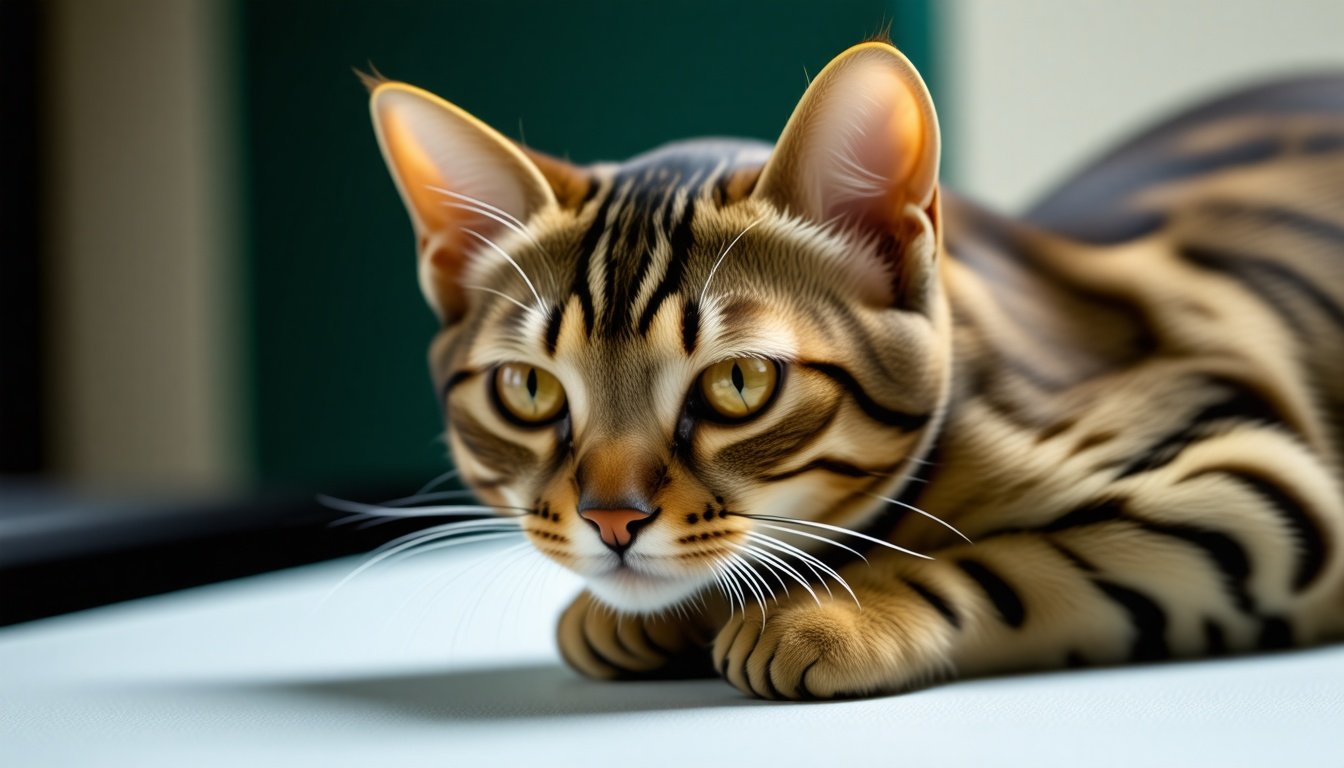
Imagine walking into a veterinary pathology lab and spotting a cat that looks utterly normal—soft fur, bright eyes, that classic “I’m the boss” stare. But then you notice something odd. Maybe a twitch here. A tilt of the head there. That tiny, eerie wobble in the way it moves. You know something is off, but what? What could be causing this quietly mysterious behavior?
That is exactly how this story begins. With a cat that seemed just fine on the outside but whose brain was hiding secrets underneath. Secrets that turned out to be a puzzle wrapped in a riddle labeled with the scary words: neurological disorder.
The Case of the Quietly Failing Brain
Neurological disorders in animals can be invisible troublemakers. Unlike a broken leg or an obvious wound, these issues sneak up silently, messing with the way the brain talks to the body. For the cat in the lab, the first signs were subtle—sometimes it would lose balance, sometimes it would stare blankly at a corner, sometimes its movements got slow and awkward. Nothing dramatic. Yet, something was definitely wrong.
It started with a visit to the veterinarian, who ran through the usual checks: blood tests, scans, reflex exams. Nothing glaring popped up. No infection, no poisoning, no obvious injury. But the cat’s little brain was sending signals that did not add up. That is when the veterinary pathologist stepped in, the person who looks at tissues and organs under the microscope and can spot clues invisible to the naked eye.
What Makes the Brain Tick… and Fail?
Our brains are like super complicated command centers. They send messages through nerve cells called neurons. These neurons talk to each other using chemicals and tiny electrical shocks. When everything works, we move, think, feel, and do the things we love. When something goes sideways, problems begin.
In this cat’s brain, the veterinary pathologist found subtle damage—not massive, not easy to spot at first glance, but there. Tiny pockets of inflammation, neurons that looked sad, and bits of brain tissue that were shrinking. The kind of damage that could explain why the cat’s body was not cooperating the way it should.
What Could Cause This?
Neurological disorders in cats can pop up from a variety of issues. Sometimes they come from infections like viruses or bacteria. Sometimes toxins, like chemicals or certain plants, cause brain damage. Sometimes, the problem is genetic, lying quietly in the family tree before popping up unexpectedly. Or, sometimes, the cause is entirely unknown—which is both the most frustrating and, strangely, the most intriguing part.
- Infections: Viruses like feline infectious peritonitis (FIP) can attack the brain. Bacteria from untreated wounds or ear infections can also sneak up into the nervous system.
- Toxins: Some plants, household chemicals, or even certain foods can poison the nervous system.
- Genetics: Just like in humans, some cats inherit neurological problems that surface over time.
- Unknown causes: These are the tough ones that make experts scratch their heads the most.
For our lab cat, the tests ruled out infections and toxins. Genetic causes were harder to exclude, but the pathologist suspected something strange, something nobody had quite seen before.
The Role of the Veterinary Pathologist
Imagine being a detective, but instead of fingerprints, you examine cells. Instead of crime scenes, you look at slides under a microscope. Pathologists are like the Sherlock Holmes of the animal world. They pick apart tissues looking for clues.
In this case, the vet pathologist took samples of the cat’s brain tissue. Under the glass slide, the story became clearer. Some neurons were missing, others were swollen or oddly misshapen. There were weird fibers tangled up inside brain cells, like a plate of bad spaghetti. This finding may sound funny, but it points to serious trouble, often linked to neurodegenerative diseases.
Neurodegenerative diseases—where brain cells slowly die or lose function—are well-known in humans but less commonly described in cats. Discovering signs that resembled these diseases sent excitement through the lab, mixed with concern for the cat’s health.
How Does This Affect the Cat?
When brain cells fail, the body’s ability to control movement, balance, and sometimes behavior goes off-kilter. For our cat, this meant the wobbling and strange eye movements. Over time, these subtle signs worsened. The cat’s owner noticed changes too: less jumping, sleeping more, looking confused. These changes hurt the cat’s quality of life, making it harder for the cat to enjoy the things it once did.
Watching a beloved pet struggle is painful. It hits you in the gut. You want answers. You want a solution. But here is the thing: sometimes, in veterinary medicine, answers are few and far between. We learn by watching, testing, and sometimes just by waiting.
Could This Be a New Discovery?
When a case looks unusual, it pushes science forward. This cat’s strange neurological signs and the brain pathology might be hinting at an illness not yet fully understood. Veterinarians and pathologists writing reports on such cases help others spot similar problems in the future. A mystery today can become tomorrow’s textbook chapter.
Maybe this cat’s illness is a rare form of feline neurodegeneration. Maybe it is tied to a new virus or an environmental cause we have not figured out yet. Or it could be a new variant of a known disease. These unanswered questions turn the case into both a challenge and a chance to learn.
What Can Pet Owners Take Away?
Now, you might be wondering how this story matters if you have a cat who is purring on your lap right now. The truth is that even small signs—like a twitch, strange walk, or head tilt—should never be ignored. Early veterinary check-ups and honest communication about changes in behavior can save lives or at least improve comfort.
- Watch for changes: Cats hide pain and sickness well, but trust your gut if something feels off.
- Seek vet advice early: The sooner a problem is spotted, the better the chances for treatment or management.
- Be patient and persistent: Neurological issues can be tricky. Keep trying to find answers.
- Support your pet emotionally: Gentle touch, calm voices, and familiar surroundings matter a lot when a cat is sick.
It also helps to understand that sometimes the cause may remain elusive. Science has limits. But that does not mean you are alone. Veterinarians and pathologists work hard on every case, even when the road is bumpy.
What Happens Behind the Lab Bench?
If you picture a veterinary pathology lab, you might imagine cold metal tables and confusing machines. But behind those walls are people who care deeply about each animal. They are the unsung heroes, the ones piecing together mysteries your pet’s body whispers but cannot spell out.
They share stories, learn from each other, and push to uncover the unknown. They celebrate when a diagnosis is clear and do not give up when it is not. That is the human part of medicine—hope, frustration, and the drive to help.
Wrapping Up the Story (Without Wrapping It Up)
So what do we make of that cat from the lab? It remains both a mystery and a marvel. A glimpse into how fragile and complex life is. A reminder that pets, like people, can carry hidden troubles. And a nudge to keep looking, keep asking questions, and keep loving.
Neurological disorders are scary. They test our patience, our emotions, and our faith in medicine. But within those struggles lie stories that make veterinary science human. Stories of hope, questions, and the small victories of understanding.
For that cat, for every animal with a puzzling illness, for every person who refuses to give up—this story shines a quiet light. Because sometimes, the things we cannot see are the ones that teach us the most.