
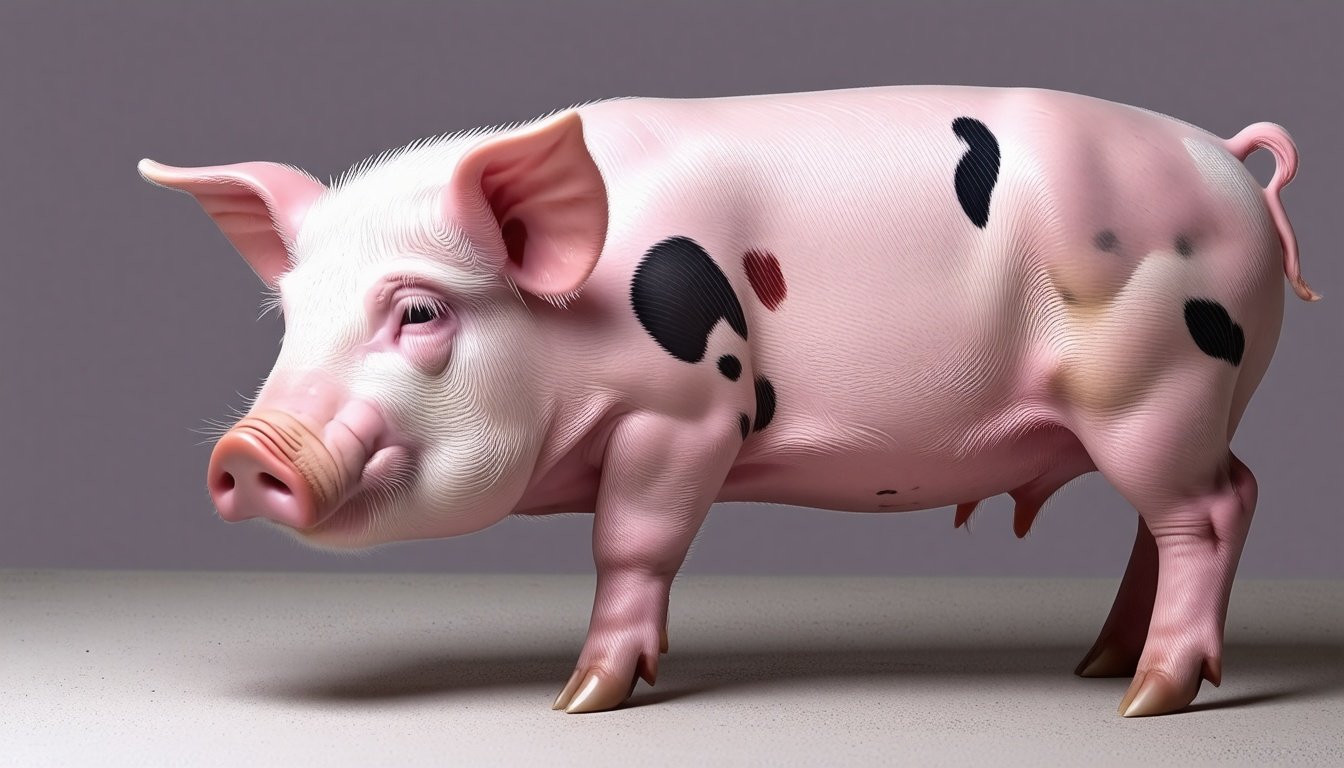
When you think of pigs, you probably picture rolling in mud or oinking happily in a sunny pen. What you might not imagine is the complicated medical detective work that sometimes unfolds behind the scenes to save a single animal—or maybe even a whole herd. Veterinary pathology, the science of figuring out what makes animals sick by looking at their tissues and cells, may sound complicated or boring. But trust me, it is anything but. It’s a storybook filled with mystery, sweat, frustration, and finally, triumph.
Let me tell you about one tough pig, a case so stubborn it nearly broke the spirits of everyone involved. This story is about how advanced pathology techniques changed everything, transforming confusion into clarity, and failure into hope.
When the Usual Tricks Fail
It all began on a sprawling farm where pigs were raised for food. One young pig started showing strange symptoms—lethargy, loss of appetite, and odd breathing patterns. The farmer, worried and desperate, called the vet multiple times. Common illnesses were tested for and ruled out. Blood work came back mostly normal. Antibiotics were tried, but nothing worked.
It was like the pig was holding its breath, waiting for someone to figure out what was wrong. Meanwhile, the clock was ticking and the rest of the herd was at risk. Whenever I hear about cases like this, I feel a knot in my stomach. It is tough to see an animal suffer and even tougher when your usual tools do not fix the problem.
The vet decided to take a sample from the pig for further examination. But this was no ordinary sample. The vet sent it to a specialized lab where some pretty fancy science was waiting in the wings.
Why Ordinary Tests Do Not Cut It
You might wonder: how can it be so hard to know what is wrong with a pig? Don’t we have all kinds of tests? Yes, but sometimes illnesses hide like ninjas. They do not show up clearly on blood tests or physical exams. Worse, some diseases look nearly identical to others under a microscope when you use basic techniques.
And then there is the fact that pigs, much like people, can have unique reactions to the same germs. The usual suspects—bacteria, viruses, parasites—can behave differently, or sometimes a new, rare illness is involved. So vets and pathologists need more than just their regular toolkits.
A Leap Into Advanced Pathology
This case brought in a team of veterinary pathologists who use advanced tools that seem like something straight out of a sci-fi movie. They broke down the pig’s problem piece by piece, using technology that reveals secrets hiding in the tiniest parts of tissue.
- Immunohistochemistry (IHC): Think of this as a special spotlight that can find exact proteins or germs inside tissues. It helps identify which bug or problem is causing trouble.
- Molecular Diagnostics: This involves looking at DNA and RNA—basically the genetic fingerprints of germs. It can catch things standard tests miss.
- Electron Microscopy: When a normal microscope is not enough, this super-powered microscope looks at cells at the scale of nanometers, revealing details invisible to the naked eye.
With these tools, pathologists don’t just see sick cells. They see clues that guide them like a treasure map, leading to a diagnosis that changes everything.
The Turning Point
After carefully slicing, staining, and examining the pig’s tissue samples, the pathologists noticed something unusual. The cells had tiny structures inside that did not match common diseases. They ran molecular tests and found a rare viral infection that had never been seen on that farm before.
This diagnosis meant that antibiotics were useless—it was a virus, not bacteria. But the story did not end there. Knowing the virus’s identity allowed the team to recommend changes in treatment and biosecurity measures that stopped the disease from spreading to other pigs.
Why This Matters to You (And Me)
Even if you are not a farmer or a vet, this story matters. It shows the power of sticking with a problem until you find a solution, no matter how tough. Think about times you felt stuck or helpless—does this not give you a little spark of hope?
In our own lives, when ordinary fixes do not work, sometimes we need to look closer, ask smarter questions, or try a new approach. Science is just a fancy word for curiosity and persistence. Pathologists remind us that no problem is too small or too strange to deserve careful attention.
The Human Side of Veterinary Pathology
Sometimes people think of veterinary pathology as a dry, cold science. The truth is, every sample analyzed is a story of life, suffering, and care. The people who do this work love animals and want to make a difference. They become detectives, artists, and healers all at once.
In this swine case, the pathologists did not just find answers—they gave the pig a second chance. That pig’s story rippled out to protect dozens more. This kind of work is a quiet kind of heroism happening behind the scenes every day.
Lessons Learned From a Pig’s Journey
What can we take away from this? Here are some thoughts:
- Patience Pays Off: Diagnosing complex diseases takes time. Quick guesses often fail.
- Technology Matters: Not every problem can be solved with the basics. Having access to advanced tools can save lives.
- Teamwork Saves the Day: Vets, pathologists, farmers, and lab technicians all played parts in this success story.
- Every Animal Counts: Behind each case is a living creature with its own story and importance.
- Keep Asking Why: When the first answer does not fit, keep digging until you find the truth.
Looking Ahead
This pig’s case is a reminder that the world of veterinary pathology is full of surprises. Every day, new tools and discoveries help solve puzzles that once seemed impossible. Cases like this one push science to grow and keep animals healthier and safer.
So next time you see a pig, a dog, or any animal that feels a little off, remember there are smart people working behind the scenes. They are using brains, guts, and fancy microscopes to find answers when no one else can. And sometimes, that makes all the difference.