
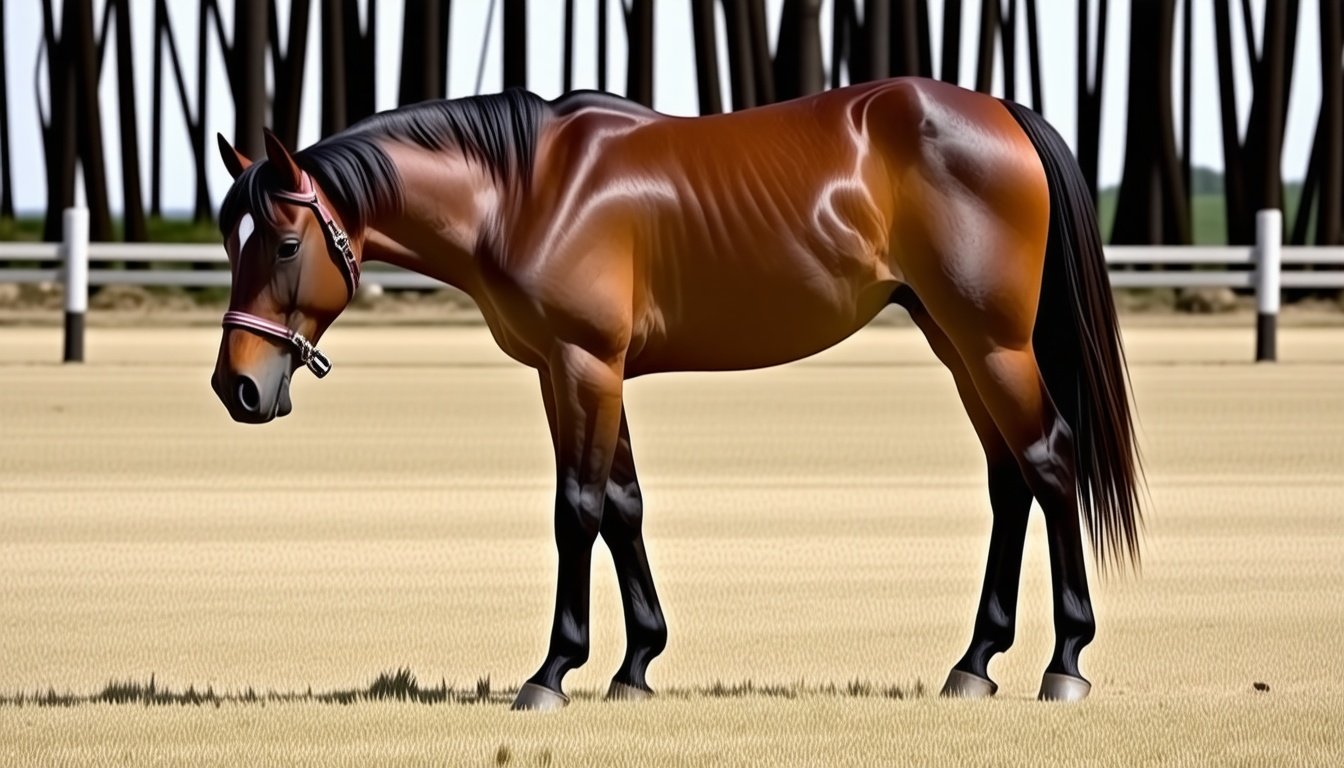
I did not think much about laminitis until it knocked on my barn door like an unwelcome storm. You know, that sudden gut punch when your horse starts showing signs of pain in its feet, walking gingerly, shifting weight like it’s balancing on eggshells. Laminitis, for the uninitiated, is a nightmare—a painful inflammation of the tissues (called the laminae) that connect the hoof wall to the pedal bone inside. It feels a little like your foot and shoe are trying to part ways, and that naturally sounds terrible for a horse.
But here is what surprised me: no amount of Googling or flipping through veterinary textbooks quite prepared me for how much I would learn from actually looking at the tissue up close. It was like turning on a light in a dark room you thought you knew well. Suddenly, the story of laminitis was no longer just words or scary images—it became something almost tangible, a complex puzzle I could touch and almost feel beneath my fingertips.
What Is Laminitis, Anyway? A Quick Reality Check
Before I get too far, here’s the lowdown. Laminitis happens when the laminae inside the hoof get inflamed, damaged, or even start to separate. This causes intense pain and sometimes leads to the coffin bone—the main bone inside the hoof—shifting or rotating. The hoof’s structure is seriously compromised, and the horse suffers. It can happen because of a bunch of reasons: overfeeding grain, severe infections, trauma, or even stress.
People often think of laminitis as a simple condition. “Oh, it is just inflammation,” they say. But it is anything but simple. The more I looked, the more I realized how sneaky laminitis can be, hiding in tiny changes that you cannot see without the microscope.
The Moment Everything Changed: Tissue Under the Microscope
One crisp morning in the lab, I found myself staring at a tiny slice of hoof tissue from a horse with laminitis. It was stained a dull pink and purple, just a thin slab, but it held secrets. I could see the laminae—the tiny, delicate leaf-like structures that keep the hoof wall glued to the bone. On a healthy hoof, these look like neat rows of fingers clasped together. But here, these “fingers” were swollen, distorted, and in places, torn apart.
It was heartbreaking and fascinating all at once. Seeing this damage wasn’t just a scientific observation. It felt like watching the physical signs of pain that my horse had tried to tell me about every time it winced or hesitated to move. I could almost feel the inflammation, the pressure, the sheer agony packed into that tiny strip of tissue.
Why Look at Tissue Samples?
- It shows the unseen. Laminitis causes changes that are invisible from the outside. The clinical signs can be vague early on, but the tissue tells the whole story.
- It reveals disease stages. By looking at the tissue, you can tell if the problem is fresh and active or if it is older and healing.
- It guides treatment. Knowing exactly what is happening helps vets decide whether to be aggressive or conservative.
Honestly, before this, I had no idea how much life was packed into these tiny slices of tissue. I started to feel like a detective, hunting clues under the microscope.
The Emotional Side of Tissue Analysis
Here is something nobody warns you about: when you look this closely at laminitis tissue, it gets personal. It is not just science. It becomes a story about suffering and resilience, about how these animals carry pain silently.
I remember a particular case—a massive draft horse named Gus who was so gentle it was impossible to imagine he was in pain. His tissue slice showed massive separation of the laminae. I wanted to reach out through the glass and tell him I was sorry for missing the signs sooner. It was like the tissue was begging for someone to understand and help.
That day, I realized that veterinary pathology is not just about diagnosing. It is about empathy. It is about hearing stories that cannot be told with words alone.
How This Changed My View on Laminitis
- Patience and observation matter. Laminitis starts subtly, and those early tissue changes can precede obvious signs. Patience in monitoring is key.
- Treatment is never one-size-fits-all. The exact tissue damage changes how vets should approach therapy. Sometimes rest and gentle care are best; other times, more aggressive measures are needed.
- Early detection is a game-changer. If you can catch laminitis before the laminae start to tear apart, you can save a horse a world of pain.
When I thought about how many horses suffer from this, often quietly, it made me want to shout to anyone with a horse: know your horse’s feet. Look closer as soon as something feels off. That tiny discomfort might be the first cry for help.
What I Learned About the Body’s Fight Within
The tissue slides showed me something else, too. The body is fighting like crazy inside that hoof. Immune cells swarm in to battle the damage. Blood vessels get leaky. Cells try to patch up tears. It is a tiny war zone and every single cell is playing a role.
It made me appreciate how complex this disease is. It is not just “bad stuff happens.” It is a battle at the cellular level—the horse’s body trying to fix what is broken. That battle sometimes ends in victory but often in more damage, depending on how early people jump in.
The Role of Inflammation
- Inflammation is both friend and foe.
- It helps clear out damaged cells but also causes swelling that worsens pain.
- Understanding this balance helps vets decide when to calm things down with medication and when to let the body do its work.
It was a bit like watching a firefight—sometimes you want to douse the flames immediately; other times a controlled burn is necessary.
For Anyone Who Lives with Horses: What This Means
If you have a horse, you know how stubbornly silent they can be about pain. They do not say “ouch” like we do. They try to hide it, keep going, because that is how they survive in the wild. Laminitis is one of those sneaky pains that creeps in, and the worst part is that by the time your horse shows obvious signs, it might already be advanced.
So here is the heart of it. If you spot even the faintest sign—shifting weight, reluctant steps, a bit of heat in the hooves—get help immediately. Ask your vet about the possibility of testing or examining tissue samples if laminitis is suspected. I promise, looking deeper can save a horse’s life and comfort.
Some Simple Tips I Picked Up
- Keep an eye on your horse’s diet. Too much sugar or grain can be a trigger.
- Watch their feet closely. Feel for heat or tenderness every day.
- When in doubt, ask for a vet’s opinion early instead of waiting for clear signs.
- If your horse has systemic illness (like colic or infections), be alert for laminitis symptoms afterward.
It feels like a lot, but really, it boils down to paying attention and acting fast. The sooner you catch it, the better your horse’s chances of a quick recovery.
A Final Thought: Seeing Beyond the Surface
What I carried away most from the days hunched over tissue slides was this: you cannot judge the whole story by looking at the outside alone. Laminitis is a reminder that beneath those tough hooves lies a world of cells, battles, and fragile connections.
For me, learning to read that tiny tissue slice was a moment of reckoning. It opened my eyes, not just as a student of veterinary pathology but as someone who truly wants to help animals heal. It was a humbling and powerful reminder that sometimes, to really understand pain and healing, you have to look closer, listen harder, and never stop caring.
So next time your horse shifts nervously or hesitates, remember: there might be a story hidden deep inside, waiting for someone to see it and act. Because in those tiny tissues, there could be hope, if only you know where to look.