
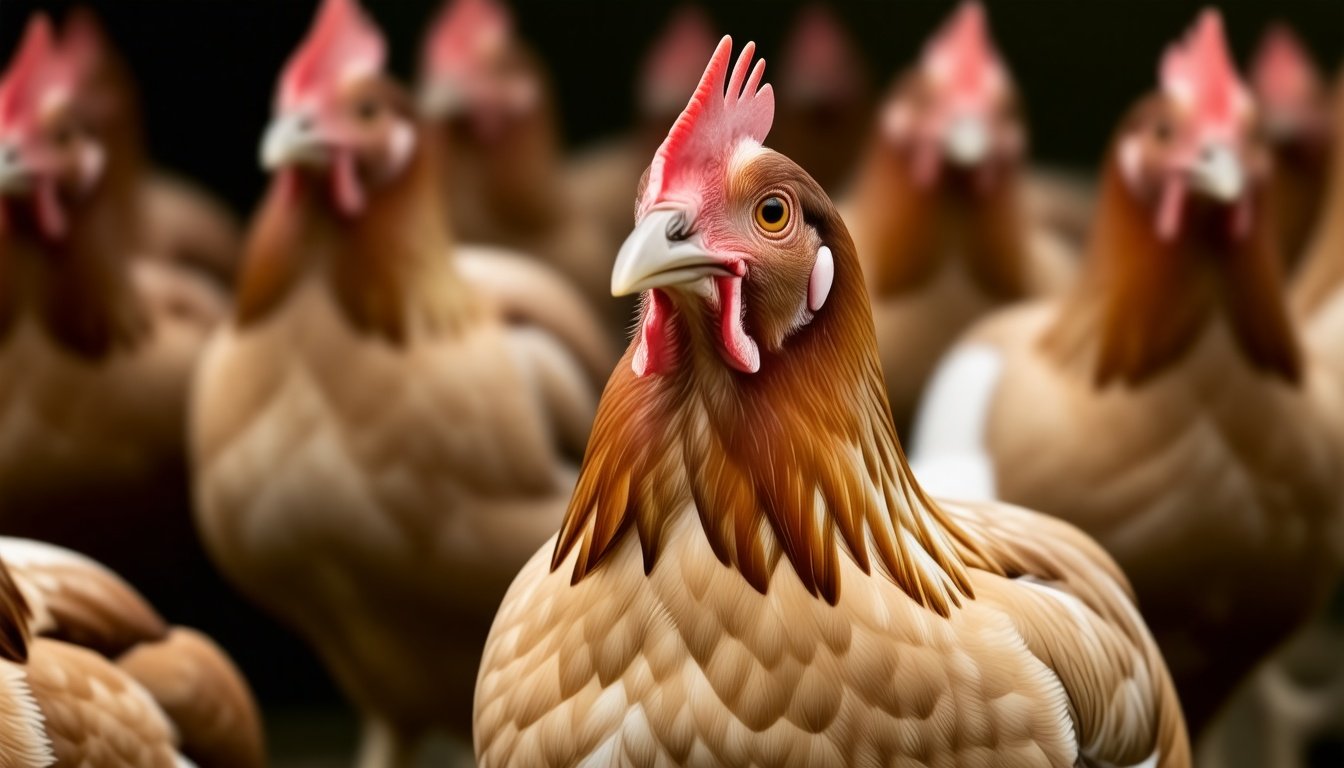
I never thought my love for old bones and weird diseases would come in handy on a sunny afternoon when my neighbor’s chickens started dropping like flies. It was one of those “why now?” moments where everything looks fine until, suddenly, it is not. The backyard that usually echoed with clucks and scrabbles was oddly quiet. Panic began to creep in, and that is when I rolled up my sleeves and leaned hard on what I know best: pathology.
Pathology is like detective work. But instead of tracking down a thief, you are tracking down sickness. And when bacteria set up shop in a cozy chicken coop, it becomes a race against time to find out who, what, and how before the whole flock is wiped out. This story is about how I used pathology not just to solve a problem, but to save a little world of feathers and beaks. Here is how it all went down.
When Trouble Pecked at the Door
It started slowly. A couple of chickens seemed a little off—listless, not their usual peppy selves. At first, I told myself it was nothing. Maybe a little heat? Maybe they ate something strange? But by day three, one had died. Then another. My neighbor, who loves those hens like family, was on the verge of tears. And me? I felt that familiar itch — the one that says, “Time to investigate.”
So I jumped in, pathology hat on, though admittedly it is not a real hat. The first job was to examine the poor birds. When dealing with sick animals, you learn fast that you have to look with all your senses — sight, smell, touch — even before the microscopes come out. The bodies showed signs of distress. Swollen livers, spots on spleens, fluid in the abdomen. It was messy, heartbreaking, but it was data.
What Pathology Taught Me About This Outbreak
Pathology teaches you patience and curiosity, two things I suddenly needed buckets of. The main goal was to find the cause of death. Was it a virus? A parasite? Something toxic? Or, as it turned out, a bacterial beast prowling around undetected.
- Sample collection: I collected tissues from the birds carefully. Liver, spleen, lungs, and of course, any fluid pockets. These little tissues hold secrets.
- Microscopic examination: Under the microscope, I could see bacteria invading the cells. These were not just simple invaders; they were aggressive, eating away at the organs.
- Culturing bacteria: Growing these microbes in a lab was like opening a mystery novel. The particular shape and behavior gave clues about which species was causing the chaos.
All the signs pointed to a nasty bacterial infection called Pasteurella multocida, the culprit behind fowl cholera. It sounds fancy, but what it really means is that these chickens got a serious case of what felt like a plague on their small world.
Using Pathology to Fight Back
Knowing the enemy is half the battle. The other half is acting smart and fast. With bacterial disease, identifying the right type of bacteria informs the treatment strategy. It is not just about giving antibiotics blindly — that is like throwing spaghetti at the wall and hoping it sticks. Pathology helps hit the target.
I shared my findings with the neighbor and local vet. Together, we mapped out a plan:
- Isolate the Sick: Prevent spread by separating sick from healthy birds immediately.
- Clean and disinfect: The coop was scrubbed down with strong disinfectants to kill lingering bacteria.
- Appropriate antibiotic use: Based on lab results, we chose an antibiotic that specifically attacked Pasteurella multocida.
- Nutrition and care: Sick birds needed rest, warmth, and good food to fight back.
Watching the flock slowly return to health felt like magic. I kept checking in — testing samples, observing, and sometimes just sitting quietly with the chickens, feeling that bond that only comes when you are fighting alongside your little pals.
The Emotional Roller Coaster of Outbreak Management
Trust me, this is not just a science story. There were moments of joy when a chicken took a few bites after days of nothing. There were dark hours filled with doubt and frustration. Questions like “Did I miss something?” haunted me. Would the antibiotics fail? Were more chickens going to die before help arrived?
Pathology gave me facts, but patience and empathy held the situation together. Sitting with someone (or some birds) who are sick feels lonely but also humbling. It reminded me that science is only part of healing — the rest is heart.
Lessons Learned from Bird Hospital
Looking back, several things struck me. First, outbreaks do not announce themselves with sirens. They start small, whispering warnings that often go ignored. Pathology taught me to listen carefully to those whispers.
Second, taking action requires a community. My neighbor, the vet, and I formed a little team bound by panic, hope, and stubborn determination. It showed me that no matter how much knowledge you have, collaboration changes everything.
- Early detection matters: Spotting sick birds early can stop disaster.
- Accurate diagnosis wins fights: Knowing the exact cause lets you strike back right.
- Hygiene is simple but mighty: Clean homes keep germs low.
- Time and care are healers too: Medicine needs help from kindness.
Why Pathology Feels Like Storytelling
When I look at a diseased organ under a microscope, I am reading the story of what happened to that animal’s body. It is a tragedy and a clue wrapped in one. Every color, every shape, every little bacterial cell is a word in that story. Pathology turns chaos into sense. It shows where the battle was, what weapons were used, and who won or lost.
It is weirdly poetic. And deeply human.
How This Experience Changed How I See Animals and Illness
After that outbreak, I do not just see chickens or diseases anymore. I see tiny lives fighting invisible battles every day. I see desperation, resilience, and sometimes, quiet surrender. Pathology opened a window into these hidden struggles. It made me care more deeply and act more decisively.
More than anything, it made me believe that no outbreak is just about germs. It is about love and loss and the fragile thread that holds life together.
If you ever find yourself staring at a sick animal — a pet, a farm friend, or wildlife — remember this: beneath the surface is a story waiting to be told. Sometimes, all you need is to become the storyteller.