
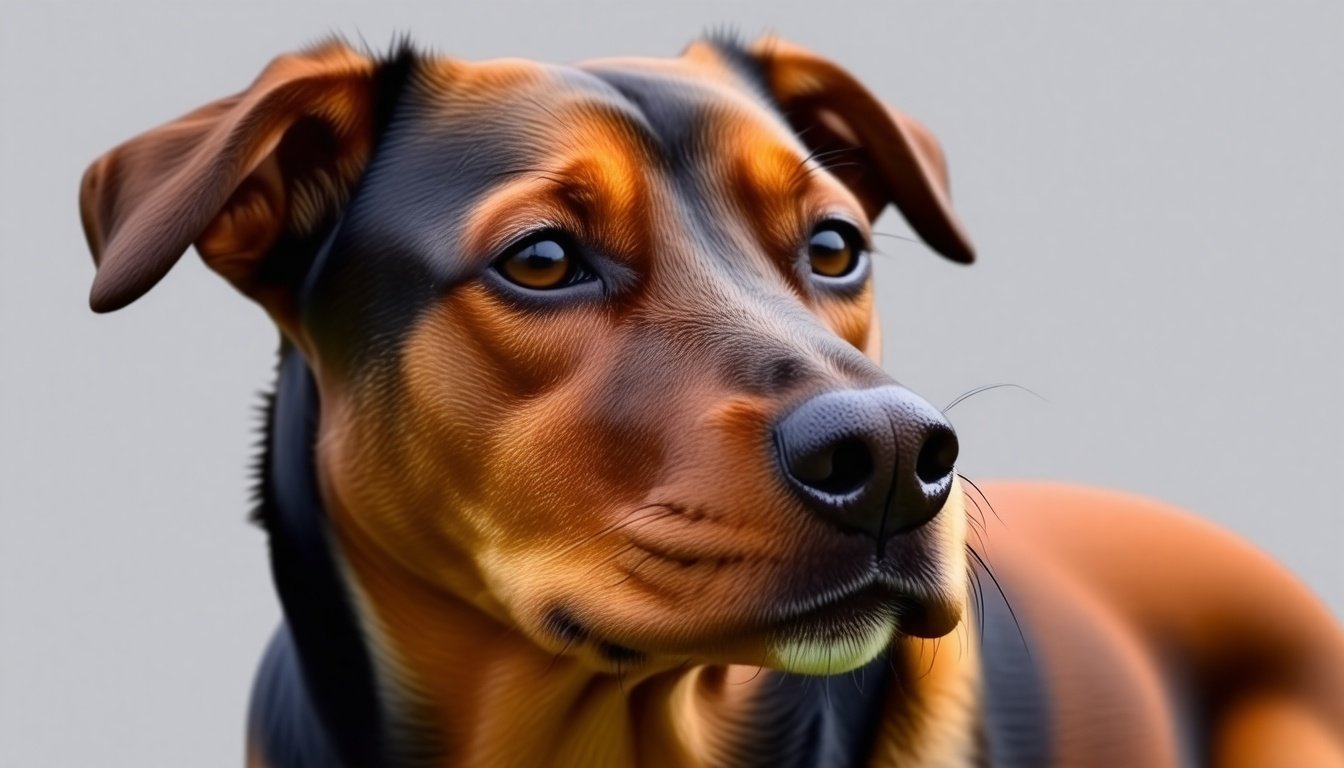
You know those moments when your dog seems totally fine one minute, chasing squirrels like a pro, then suddenly acts off—losing energy, maybe scratching a bit too much or looking downright uncomfortable? It hits you right in the heart because, well, dogs are family. But what if the reason behind their odd behavior is something rare, something that hides in plain sight until the experts take a closer look? That is exactly what happened with a dog named Max, whose unusual illness threw us all a curveball and taught us a heck of a lot about canine autoimmune diseases.
Autoimmune diseases in dogs are weird. The body, which is supposed to protect itself, starts attacking its own tissues. If you imagine your immune system as a loyal guard dog, then in autoimmune disease, that guard dog suddenly turns around and bites the owner. Not cool, right? Diagnosing these diseases can be like detective work, requiring not just eyes but sharp instincts, sharp tools, and sometimes a little luck. For Max, the clues came from tissue samples – tiny bits of his own body that held the secrets to his strange sickness.
Max’s Mysterious Symptoms
Max was a six-year-old golden retriever with a love for the outdoors and a penchant for slobbery kisses. When his owner first noticed that Max’s coat was thinning unevenly and he was scratching like mad, everyone thought it was just allergies or fleas. Those things happen, right? But as days turned into weeks, Max grew tired; his usual spark dimmed. Vomiting, weight loss, and patches of inflamed skin followed. That was the point when Max’s vet knew this was no simple skin allergy.
Routine blood tests came back mostly normal. No sign of infection. No obvious parasites. Max’s symptoms didn’t align neatly with any common disease. The vet decided to take a step further and recommended biopsy samples from Max’s skin and lymph nodes. That is where tissue samples become heroes in their own right.
The Role of Tissue Samples in Unraveling the Puzzle
It might sound gross to some, but tiny tissue biopsies are incredible windows into what is going wrong inside a body. Think about it: your skin or an organ’s tissue tells a story — the cells’ shape, how many are there, if some are dying, if there are any strange strangers like bacteria or cancer cells. For autoimmune diseases, these samples reveal the immune system’s fingerprints—how it is attacking its own cells.
When Max’s tissue samples arrived at the pathology lab, the pathologist dived in. Under the microscope, they found inflammation packed with immune cells where they should not be. Skin layers were being destroyed, but it was not an infection. It was a slow, sneaky war waged by Max’s own immune system.
This confirmed the diagnosis of a rare autoimmune disease called pemphigus foliaceus. Yes, try saying that three times fast. It sounds fancy and a little scary, but at its core, it means Max’s immune system is attacking the glue holding his skin cells together, causing painful blisters and scabs.
What Makes Pemphigus Foliaceus So Tricky?
- Rare and easily confused: It looks like other skin conditions, so vets sometimes treat it like allergies or infections first. This wastes time.
- Patchy symptoms: One dog may have crusty skin on the nose, another on paws or ears. It can be all over or quite subtle.
- Immune system chaos: The body produces antibodies against its own skin proteins, which is unusual and hard to catch early.
Max’s case was a lesson in patience and precision. The tissue samples gave the pathologist clues no blood test could.
Why Should You Care About Tissue Samples?
Taking a tiny piece from a dog’s skin or organ is not a magic bullet, but it is a mega important piece of the puzzle. Here is why:
- It tells the real story: Symptoms are just clues. Tissue samples reveal the actual damage inside.
- It fights guesswork: Vets do their best, but many diseases look alike on the outside. Biopsies cut through the confusion.
- It guides treatment: Knowing the exact disease means doctors can pick the right medicines instead of just hoping.
Imagine trying to fix a car by only listening to the sound of the engine. You might guess the problem, but only opening the hood really shows what is wrong. Tissue samples are like that—they open the hood and let you see the nuts and bolts.
The Emotional Toll of a Rare Diagnosis
Diagnosing Max was not just a scientific triumph; it was deeply personal. The vet’s office became a mix of hope, fear, and exhaustion. Max’s owner went through the rollercoaster of emotions—guilt questioning if something was missed, relief knowing what was wrong, and anxiety over the future. Autoimmune diseases, especially rare ones, can feel like a slow invisible enemy.
This is why veterinary pathology is more than a lab job; it is about helping families keep their dogs around longer, happier. Understanding the disease meant Max’s owner could stop guessing and start acting. Treatments could begin that eased Max’s pain and brought back his playful side.
What Did Treatment Look Like?
- Immune suppression: Using medicines like corticosteroids to calm down that overactive immune system.
- Skin care: Gentle shampoos and avoiding irritants helped protect Max’s fragile skin.
- Regular monitoring: Frequent check-ups and maybe even more biopsies to see how Max was responding.
Was it instantly perfect? No. Autoimmune diseases are sometimes like trying to tame a wild bull with a feather. Progress comes in tiny steps. But every day that Max got better was a day filled with joy.
What Can We Learn From Max’s Case?
When it comes to rare diseases, especially autoimmune ones, the first lesson is patience. Sometimes vets and owners need to stick with it, because the truth lurks beneath the surface. A dog that looks weird or sick is not just unlucky; it might be telling us something new.
The second lesson is trust. Trust the experts but also trust your gut. Max’s owner noticed his changes early and stayed persistent. That saved precious time and pain.
Third, tissue samples matter. They might sound scary, but they are tiny, and the gift they give is massive understanding. Never be afraid to ask your vet if a biopsy could help when things get confusing.
Bonus Insight: What This Means for Veterinary Medicine
- Rare diseases challenge vets to learn constantly, which is wonderful because learning means better care for our dogs.
- Collaboration between vets, pathologists, and owners makes all the difference. No one works alone in these cases.
- Each diagnosis adds to the collective knowledge, helping others one day.
Final Thoughts
Max is not just a dog with a diagnosis. He is a reminder that sometimes the smallest clues carry the biggest stories. Tissue samples are like little letters scribbled inside your pet’s body, waiting for someone patient and curious enough to read them.
So, if your dog feels off, or if a vet suggests biopsy samples, take a deep breath. Behind those tiny pieces lies hope, a plan, and maybe even a way back to tail wags and happy days. After all, when it comes to your best friend, every step toward understanding is a step toward more love.