
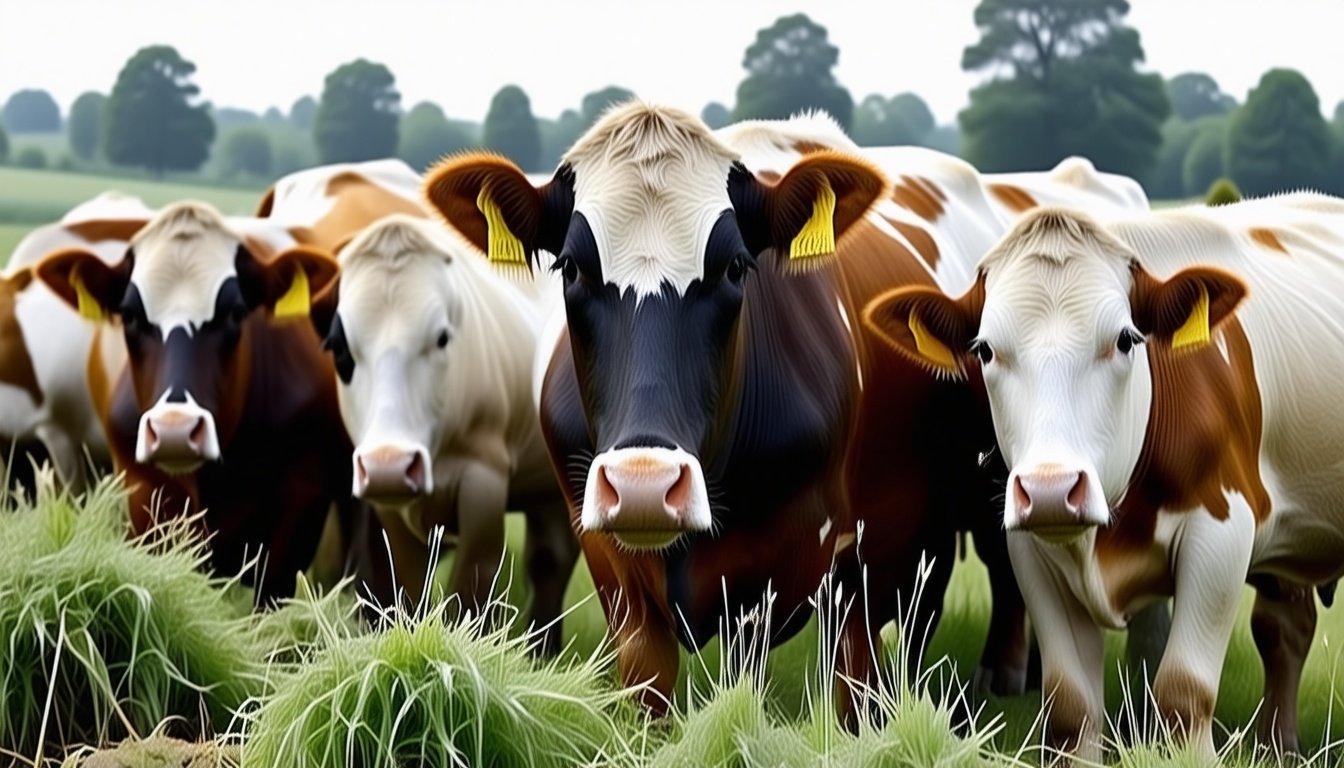
You ever find yourself staring at a problem that just will not make sense? Like a riddle wrapped in an enigma served on a mysterious platter? That was me, several years ago, wrestling with a bovine metabolic disorder that had my brain doing somersaults. It started as a casual curiosity but soon morphed into a full-blown obsession. The more I poked, prodded, and googled, the more it felt like the cows were laughing at me behind their big brown eyes.
Why did this particular disorder puzzle me so much? Because it did not play by the usual rules. No textbook answer. No simple fix. Instead, it threw curveballs that kept bouncing off my attempts to diagnose and understand it. It was like trying to solve a mystery with half the clues missing and the other half written in cow language—almost.
When the Trouble Began
It all started on a farm nestled in a quiet patch of countryside. The dairy cows, usually calm and cheery, began showing odd signs. A few became lethargic. Some stopped eating their favorite hay and grass. Others showed strange muscle twitches. And some even collapsed without warning. The farmer, a salt-of-the-earth kind of person, looked worried enough to call me out.
At first glance, nothing screamed “emergency.” The barn was clean. The feed looked normal. No new chemicals or recent changes in routine. The mystery thickened.
First Impressions Are Tricky
In veterinary pathology, a quick guess is tempting. You want to slap a name on a condition and move on. But this one begged me to slow down. Instead of slapping on a band-aid, I realized I needed to dig deeper. What if the usual suspects—like infectious diseases or simple nutritional problems—were not to blame?
Laboratory results teased me. Bloodwork showed strange metabolic patterns, but they did not fit any classic illness. The cows’ livers seemed off, yet no toxins were detected. The usual tests came back negative, which meant the real problem was hiding just beyond my reach.
The Puzzle Pieces: Metabolic Disorders in Cattle
If you do not work with cows every day, the idea of metabolic disorders might sound complicated. Honestly, it is. Simply put, these are conditions where the cow’s body struggles to handle energy properly—kind of like when you try to run on a phone battery that keeps draining without charging.
Cows, especially high-producing dairy cows, have tricky metabolisms. They need tons of energy for milk production, but their digestive systems and organs have limits. Sometimes, their bodies go haywire trying to balance this energy demand.
Common metabolic disorders include ketosis, milk fever, and displaced abomasum. These have been studied plenty, and vets are usually pretty good at spotting and treating them. But the case I encountered? It seemed like something that refused to fit those neat categories.
- Ketosis involves too many ketone bodies due to fat breakdown.
- Milk fever is related to low blood calcium post-labor.
- Displaced abomasum means the cow’s stomach shifts position.
None of these perfectly matched the symptoms or lab data. That made my head itch, metaphorically speaking.
The Detective Work Begins
I started retracing everything. The farm’s feeding schedule, cow genetics, weather patterns, and even the tiniest change in handling. What if the cows were reacting to something environmental or subtle in their diet?
Side note: Have you ever noticed how animals can sometimes tell you more than the numbers? Their eyes, posture, breathing—they whisper secrets if you listen. Observing the cows closely was a reminder that pathology is not just about microscopes and blood tests; sometimes, it is about empathy and patience.
Blood samples were taken repeatedly. Tissues biopsied. Feed analyzed for toxins. Nothing conclusive. The mystery stretched on.
An Unexpected Clue: Magnesium Deficiency
One morning, while spinning through old pathology notes, I stumbled upon magnesium deficiency as a potential culprit. It sounded a bit too simple at first. Magnesium? Really? But then I started seeing patterns.
- Muscle tremors can happen with low magnesium.
- Lethargy and sudden collapses can align with it too.
- Plus, magnesium works closely with calcium, which the cows’ levels teased us about.
This little mineral suddenly seemed like the missing puzzle piece. The farm’s feed lacked fresh green pasture due to an unusual dry spell, which could cause magnesium absorption issues. The weather hit right when the symptoms peaked. It all fit.
Putting the Pieces Together
The diagnosis was a metabolic disorder tied to hypomagnesemia—a fancy word for low magnesium in the blood. This condition can cause grass tetany, a dangerous illness where cows’ muscles cramp uncontrollably, leading to collapse or death if untreated.
Why had it baffled me? Because these cows were not classic grass tetany cases. Their feed was a mix of hay and grain, not fresh lush pasture where this usually strikes. The dry spell masked the clues. And the lab numbers did not scream “magnesium deficiency” right away. Sometimes, illness sneaks in through a back door.
Actions Taken
Once I connected the dots, the next step was straightforward: get magnesium into the cows’ systems fast. The farmer adjusted the feed to include magnesium supplements and mineral blocks. Emergency intravenous magnesium and calcium were administered for the sicker cows.
Slowly, the herd improved. The muscle twitching toned down. Cows started eating again. Their eyes seemed brighter. The danger passed.
Lessons Learned From This Mystery
Looking back, there is more to this story than just one medical diagnosis. This experience taught me a lot about humility and curiosity. Sometimes, even with all the science and technology, nature refuses to be neat.
Here are a few thoughts I want to share, especially if you work in veterinary medicine or just love animals:
- Trust your gut but check the facts. That first impression is important but do not rush. Dig deeper.
- Pay attention to the environment. Weather, feed changes, and stress can play sneaky roles.
- Remember the simple things. Sometimes, a missing mineral is the key, not a complex infection.
- Observe the animals themselves. Their behavior can tell stories labs cannot.
- Stay patient. Not all answers come quickly or easily.
Why This Matters to More Than Just Farmers
You might wonder, “Why think so much about cows and their weird illnesses?” Here is why: these creatures are part of a bigger picture. They feed communities. Their health impacts farmers’ livelihoods. And their reactions to their world can teach us about balance, resilience, and adaptation.
Plus, watching a cow recover from a baffling illness—that is a kind of magic. It is a reminder that even when confusion rules, persistence and care can bring clarity and healing. There is beauty in that struggle.
Final Thoughts (Because I Love Sharing This Stuff)
Metabolic disorders in cows might sound dull or distant if you are not a vet, but they are windows into how life juggles demands with resources. This story about hypomagnesemia is just one page out of many in the vast book of animal health mysteries.
Next time you see a cow grazing peacefully, remember the silent battle it faces inside—a fight between minerals, cells, and survival. It is a reminder that health is a delicate dance and sometimes the tiniest missing piece makes all the difference.
And for those of us who watch, treat, and wonder, it is a call to keep questioning, keep learning, and above all, keep caring. After all, if even cows can teach us that, then maybe we are all a little wiser for it.