
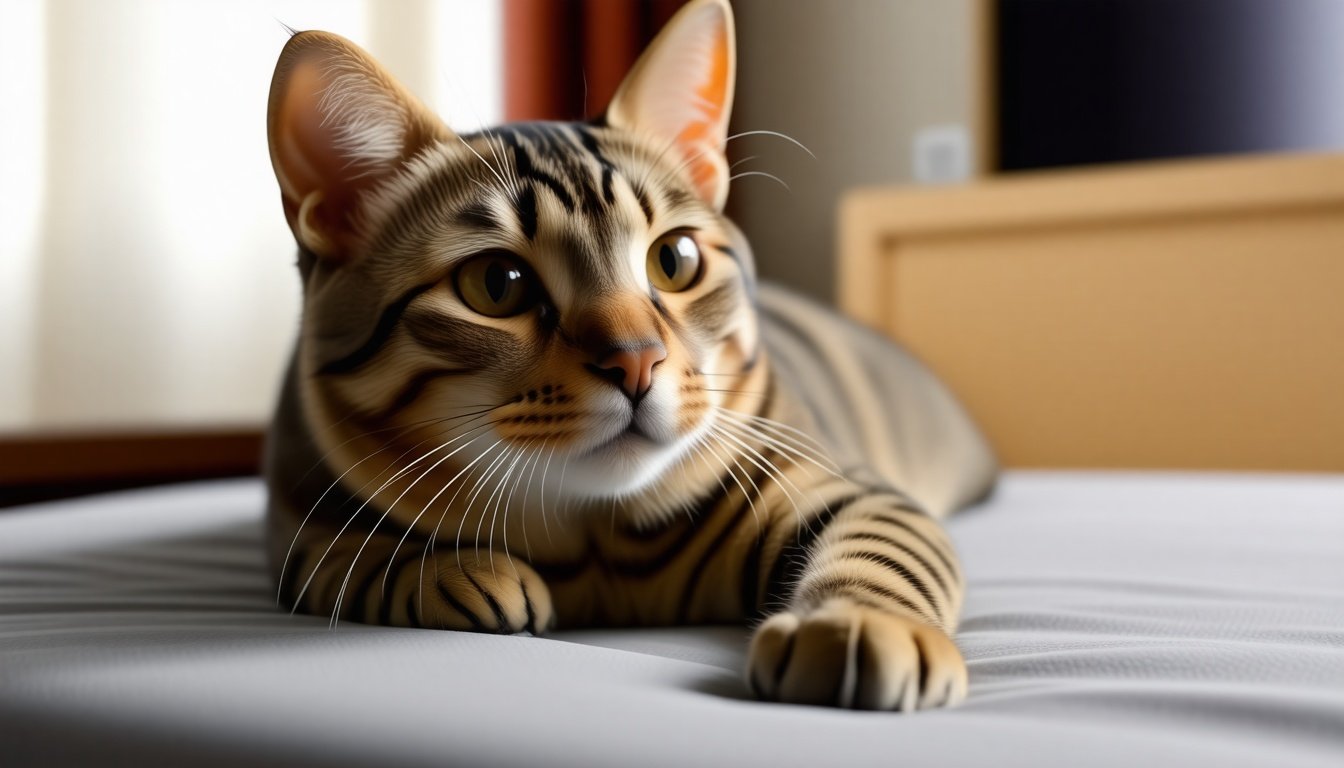
When my cat, Luna, started acting a bit off, I thought she was just having one of those lazy days all cats have. She wasn’t chasing her toys like usual, and her purring, usually a steady hum of happiness, felt uneven—sometimes a little too quiet, sometimes almost missing. Nothing screamed emergency, so I brushed it off. But if you have a cat, you know how subtle those small changes can be. You just can’t ignore the tiny things if you want to keep your pet healthy.
It turns out, Luna was quietly fighting something much bigger than a lazy day: chronic inflammation. And here is the kicker—chronic inflammation is not some flashy, obvious villain. It sneaks up. It whispers. And it almost got past me completely.
What Is Chronic Inflammation, Anyway?
Inflammation is like your body’s emergency crew, rushing in to fix injuries or fight infections. It is supposed to be quick, loud, and obvious. You know, like when you accidentally touch a hot stove and your skin turns red and hot immediately. That is acute inflammation, and you can see it with your eyes.
Chronic inflammation, however, is the sneaky kind. It is slower, quieter. It hides under the surface and can stick around for months or even years. It quietly tears down your cat’s body over time. Sometimes, it shows up with small signs. Other times, it is so subtle that even vets can miss it if they are not looking closely.
When it comes to cats, chronic inflammation can happen anywhere—joints, kidneys, intestines, even lungs. Luna’s case was a perfect storm of small clues that I almost missed.
Why Did I Almost Miss It? Because the Signs Are Too Quiet
If you live with a cat, you will know how mysterious these creatures can be. They hide pain like tiny little ninjas. Luna’s signs were not “Hey, I am sick!” loud. They were more like, “Eh, I do not feel like moving today.” Sometimes she skipped meals. Other times she seemed a bit grumpy.
Honestly, I thought she was just getting old or maybe bored. But when something is chronic, it does not shout. It whispers through subtle signs that can easily be confused with other things. Here are some of the subtle signs of chronic inflammation I spotted after the fact:
- Less grooming: Cats are clean freaks. When they stop cleaning themselves as much, it is a red flag. Luna’s fur was a little less shiny, and she had tiny mats here and there.
- Change in appetite: Not eating as much or suddenly being picky is a big deal. Luna would sniff her food and walk away sometimes.
- Minor lameness or stiffness: She was slightly slower jumping onto the couch or seemed stiff in the morning.
- Subtle behavioral shifts: She became more withdrawn, sleeping more, and less playful.
- Occasional coughing or sneezing: This one threw me off because it seemed like a passing cold, but chronic inflammation can cause these too.
How Did I Connect the Dots?
I wish I could say I had a moment of brilliance and knew exactly what was going on. Nope. It took a few visits to the vet, some blood tests, and honestly, a lot of worrying. But then the biopsy came back showing inflamed tissue in her intestines. That was the “aha” moment.
Veterinary pathology is like detective work. It is about looking past the obvious and understanding what the body is trying to tell you. Chronic inflammation can hide behind normal-looking blood work or regular physical exams. That is why tissue samples—biopsies—are sometimes the only way to see the real story.
Once we had a diagnosis, the vet explained how inflammation in the intestines can cause all those minor changes I noticed. The pain inside was messing with her appetite, grooming habits, and mood.
What Happens to the Body During Chronic Inflammation?
Think of inflammation as a constant neighborhood argument. Instead of a quick shout and resolution, it is a never-ending bickering match that eats away at the neighborhood’s peace. In a cat’s body, this fight damages tissues and organs bit by bit. It can weaken the immune system over time, making the body vulnerable to other problems.
In Luna’s case, the gut lining was getting irritated and inflamed. That is why her digestion and comfort were off. It also explained the drop in energy—when the gut is inflamed, the whole body feels tired.
The Trouble with Ignoring the Subtle Signs
If I had waited longer or ignored Luna’s quiet signals, things could have gotten worse. Chronic inflammation can lead to permanent organ damage, serious infections, or even cancer. In cats, this is especially scary because they hide pain so well and often seem “fine” until they are really not.
I want to shout this from the rooftops to anyone with a cat: Attention to tiny changes could save your pet’s life. It does not have to be a dramatic limp or an obvious wound. It is those small shifts in behavior, energy, and comfort that matter.
How to Spot Chronic Inflammation Early
Adding a little extra observation to your daily routine can make all the difference. Here are some tips that helped me—maybe they can help you:
- Watch their grooming habits: A cat that suddenly looks unkempt or has patches of dull fur might be signaling something.
- Note feeding behavior: Are they eating less, or are they being picky? A sudden change calls for a vet visit.
- Observe their movement: Catch if they seem stiff, slow, or avoid jumping where they used to easily leap.
- Keep track of behavior: More hiding, grumpiness, or sleeping could be subtle cries for help.
- Check for sneezing, coughing, or discharge: These can be signs of inflammation in respiratory or sinus tissues.
Why Veterinary Pathology Is a Lifesaver
Without pathology, Luna’s problem would have been harder to find and treat. Pathology helps us look inside, literally. It lets vets see the inflamed tissues under the microscope and understand the disease’s full scope.
Instead of guessing, you get answers. And with answers come better treatments. In Luna’s case, it meant medication to reduce inflammation, diet changes, and follow-ups to keep track.
Living with a Cat With Chronic Inflammation
Luna’s diagnosis was scary, but it was also a starting point for better care. Chronic inflammation often means ongoing management, not a quick fix. That means more vet visits, medications, and paying attention.
It also means learning your cat’s new normal and understanding when to act. I learned patience, too—some days were better than others, and that was okay. What mattered was knowing I was helping Luna feel better over time.
Some Things I Did to Help Luna Feel Comfortable:
- Switched to a gentle, hypoallergenic diet to soothe her gut.
- Provided a quiet, cozy space where she could rest without stress.
- Kept her environment calm and predictable to avoid unnecessary stress.
- Maintained regular vet check-ups and blood work to monitor progress.
It was not easy, but it was worth it.
The Takeaway for Cat Parents
If your cat starts acting a little different, do not rush to dismiss it. Chronic inflammation might be hiding in the shadows of those tiny signs. Trust your gut, take notes, and do not be afraid to ask your vet for a deeper look. Sometimes, it is the biopsies, scans, or special tests that reveal the truth.
Our cats cannot tell us when they hurt, but their little signals speak if we listen closely. Chronic inflammation is serious but manageable with early detection. And if a stubborn cat like Luna can beat it—or at least live well with it—so can your cat.
Be their voice. Be their guardian. Because they may be quiet, but their health matters loud and clear.