
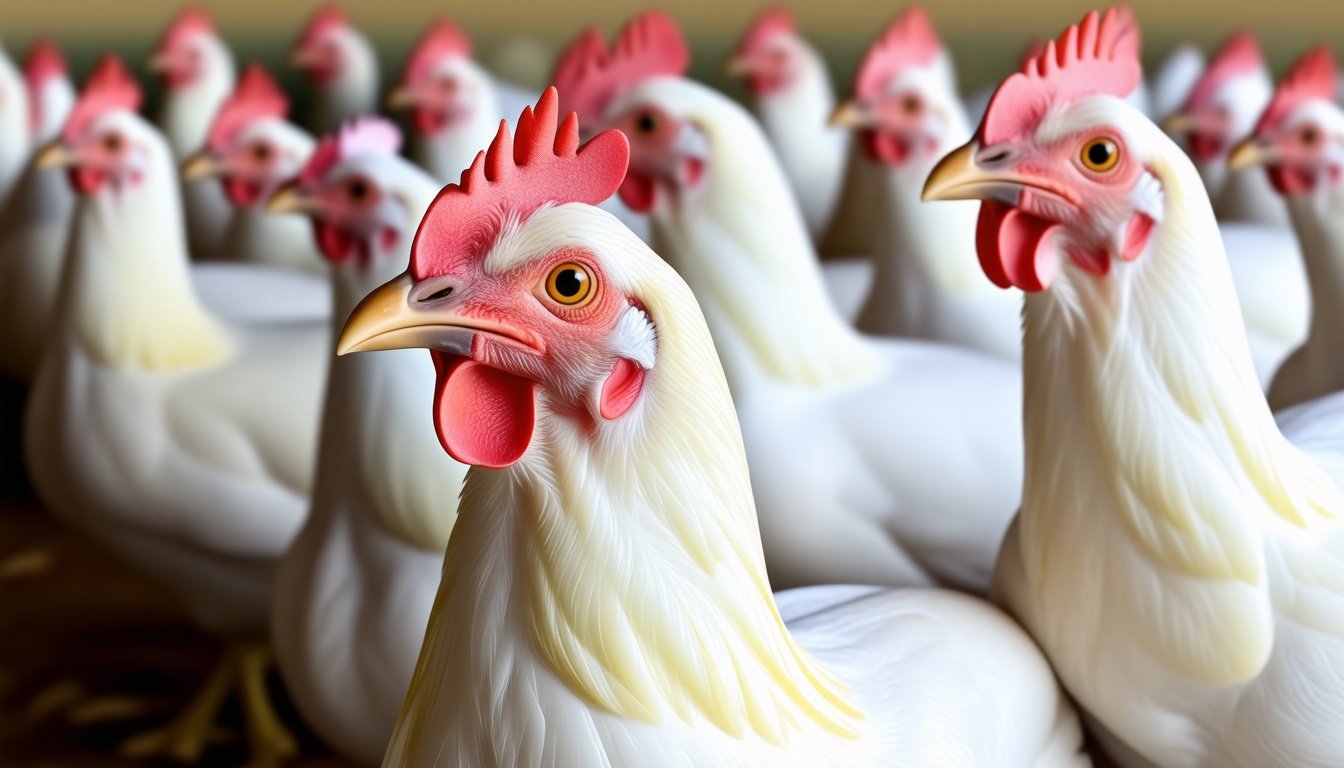
There I was, standing in the middle of a small, dusty poultry yard when chaos decided to show up uninvited. One moment, the chickens were clucking about, pecking at the ground in their usual carefree way. The next, a weird, heavy silence gripped the place. Birds were falling, one after another, looking lifeless or barely hanging on. Panic wasn’t just in the air; it was in my chest too.
What started as a simple visit turned into an unexpected crash course on viral pathogenesis—the story of how viruses hijack living cells and turn them upside down. It was messy, confusing, heartbreaking, and strangely enlightening. If you have ever wondered what a sudden outbreak in a flock could teach us about the microscopic battles inside living creatures, pull up a chair. This is that story.
When Things Went South: The Sudden Outbreak
It was just another routine check—feeding schedules, cleanliness, general health inspections. Routine, right? Except, no routine could have prepared me for the scene I stumbled into. Almost half the flock looked sick or dead. The farmers were at a loss. “Is it poison? Bad feed? Some weather thing?” they asked, fearful and confused.
Seeing those birds, quiet and still where just minutes before they had been full of life, hit me hard. Animals cannot tell us what hurts; all they can do is show it. And this flock was shouting “something is wrong.” So, the detective work began.
Scanning the Scene
- Physical signs: Many birds had swollen eyes, pale combs, and signs of breathing trouble.
- Patterns: The illness spread quickly over 48 hours, hitting the younger birds hardest.
- Environment: No obvious toxin or harmful substance around.
This pointed me toward infection rather than environmental causes. But what kind of infection? How does a virus spread that fast and cause such devastation?
The Invisible Enemy: Understanding Viral Pathogenesis
Viral pathogenesis is like a dark play staged on a microscopic scale. The virus sneaks in, often unnoticed—sort of like a prankster slipping into a party and turning it upside down. But instead of harmless tricks, viruses bring destruction. They invade cells, multiply, and spread. The host’s body scrambles to fight back, often with mixed success.
Here is the cool and scary part: viruses do not just kill willy-nilly. They have strategies—some subtle, some brutal. Some want to keep the host alive for a long time to spread; others burn through quickly, causing chaos, then disappear or die with the host.
Lessons from the Flock
This outbreak gave me a front-row seat to what viral pathogenesis can look like in real life. The virus responsible was ruthless but methodical. It attacked the respiratory system first, making it hard for birds to breathe. Then it spread to other organs, weakening the immune system. The rapid spread told me that the virus had found easy entry points and could evade the birds’ defenses for a while.
The sad part? The animals had no idea what hit them. The immune system was caught off guard, scrambling to respond but often too late.
Peeling the Onion: Steps Behind Viral Damage
Breaking it down, what happens when a virus invades? Here is the story, layer by layer.
- Attachment and Entry: The virus latches onto specific receptors on the host cell’s surface. Think of it as a key fitting into a lock. Without this match, there is no entry. Our poultry virus was a master locksmith.
- Replication: Once inside, the virus forces the cell to make copies of itself—kind of like an unwanted, high-speed photocopier.
- Spread: New viral particles burst out, killing or damaging the cell, and go looking for fresh cells to infect.
- Host Response: The infected bird’s immune system kicks in, sending white blood cells and releasing signals—sometimes so strong that they cause as much damage as the virus itself.
- Tissue Damage: This includes destruction from viral replication and the immune response, leading to symptoms and often death.
In our flock, this process unfolded in fast-forward. Watching symptoms cluster and spread gave me a clearer mental movie of how viral pathogenesis plays out—not as a distant, abstract event, but a gritty, real-life battle.
What This Outbreak Taught Me about Veterinary Pathology
Here is where things get personal. Every outbreak like this is a little tragedy. These animals are not just specimens or cases on a chart. They are lives, each with a story cut short by an invisible enemy. It hurt to see it, but it also fueled a passion to understand, to help, to prevent.
Here are a few pieces of wisdom this unfortunate event hammered into me:
1. Early Detection Is Everything
If this virus had been caught earlier, maybe fewer birds would have suffered. Watching the early signs closely—droopy posture, reduced eating, mild breathing sounds—can mean the difference between a small hiccup and full-blown disaster.
2. Viruses Are Sneaky
They evolve, shift, and disguise themselves. What worked for prevention last year might fail this year. Constant vigilance and updating vaccination or biosecurity practices matter more than one might guess.
3. The Immune System Is a Double-Edged Sword
Sometimes, the body’s fightback causes its own damage—like a wildfire burning the forest it protects. How and why this happens is a puzzle still under study, but it reminds me to think not just about the enemy (virus) but also the host’s response.
4. Communication Is Key
Farmers, vets, lab technicians, and researchers must talk openly. When this outbreak happened, sharing observations and samples quickly helped narrow down the cause and stop the spread. Isolation alone does not stop a virus; teamwork does.
How Keeping Chickens Healthy is Like Fighting a War
Imagine this: a flock of chickens like a tiny city, bustling and busy. A viral outbreak is like an invader sneaking through the gates. The city walls are your biosecurity measures—clean water, controlled access, regular health checks. The city’s guards are the immune defenses, ready to repel attackers.
When these walls fall or guards are weak, viruses march right in. This outbreak showed me that even small gaps can turn into open doors. Which makes me wonder—how many other flocks out there might be vulnerable without even knowing it?
What You Can Do: Simple Steps for Prevention
You might not have chickens in your backyard, but the ideas here go way beyond poultry. They apply to every time you care for an animal—or even yourself. Viruses do not discriminate. They exploit any chance they get.
- Keep It Clean: Scrub the coop, clean feeding areas, and change water daily.
- Watch for Signs: Look closely for early symptoms—lethargy, decreased appetite, sneezing.
- Limit Visitors: Just like you do not want strangers wandering your home, keep unnecessary traffic out of animal areas.
- Vaccinate: If there are vaccines available, use them. They prepare the immune system for battle before the enemy arrives.
- Isolate Sick Birds: Quarantine can slow or stop spread, giving you a chance to intervene.
- Consult Professionals: When in doubt, talk to a vet. They are the detectives who know how to crack these cases.
Why These Stories Matter
Back in that yard, cleaning up and thinking about the birds that did not make it left me with a strange mix of sorrow and resolve. It is easy to feel powerless against invisible invaders. But every lesson learned, every outbreak stopped, adds to the knowledge that keeps future flocks alive and well.
Plus, these stories remind me that science is not just facts and test tubes—it is messy, emotional, and deeply human. I was there in the middle of that outbreak, sweating under the sun, worrying about those birds, wondering what it all meant. It changed how I see viruses, animals, and the delicate dance between life and disease.
Final Thoughts
Viruses want to live. So do animals. Their battles shape the world in ways we rarely notice. That sudden outbreak in a humble poultry flock taught me that even in the darkest moments, there is knowledge waiting to be found. The virus that brought sickness also brought insight—how quickly things change, how fragile life can be, and how much care matters.
Next time you see a chicken scratching around or a pet breathing quietly, remember—they are part of a vast, unseen drama that is always unfolding. And sometimes, if you pay attention, you might just learn something that saves not only animals but the world they share with us.