
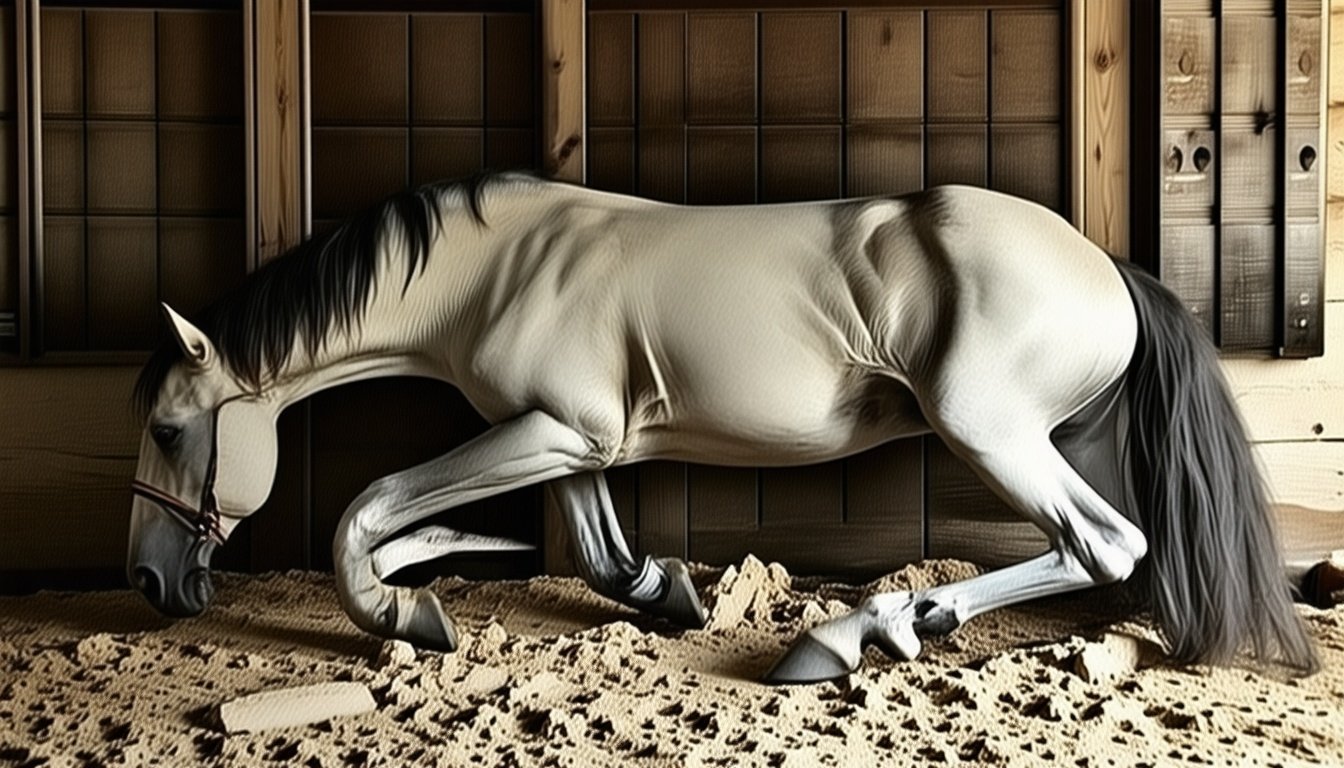
Sudden death in horses is one of those gut-wrenching moments that leave owners, riders, and veterinarians all reeling. You wake up thinking everything is perfect. The horse looks fine, acts normal, maybe even a bit playful. Then, bam. The next minute, they are gone. No warning. No clear reason. Just an empty stall or a quiet field where once stood a magnificent creature full of life.
What really happens when a horse drops like that? Why do some horses just stop, seemingly out of nowhere? Luckily, veterinary pathologists get to play detective in these moments. They pry open the mystery using post-mortem exams—autopsies for animals—to find clues hidden inside that whisper the real cause of death. And believe me, those findings are often surprising. They pull back the curtain on medical secrets that not even the most experienced horse owners or vets see coming.
The Unseen Dangers Lurking in Equine Health
Most horse deaths that happen suddenly do not come with obvious signs. No limping, no coughing, no strange behavior. To the naked eye, the horse was fine. But beneath the skin, the heart might have been gasping for air, or a tiny blood vessel might have quietly burst. These are not fairy tale villains with horns and capes—they are microscopic threats within the horse’s body that go unnoticed until it is too late.
We often think of horses as strong, nearly invincible creatures. They survive harsh conditions, run miles a day, and carry humans on their backs. But they also hide illnesses very well. Here is where the post-mortem exam becomes a hero’s tool. It uncovers the hidden battles raging inside—the silent killers.
The Heart: More Fragile Than You Think
One of the most common hidden causes behind sudden equine death? Heart problems. If you think horses just suffer from old age or injury, think again. The equine heart can fail unexpectedly just like ours.
- Cardiac arrhythmias: These are irregular heartbeats that might not cause symptoms until the moment the heart just stops working.
- Heart muscle diseases: Sometimes, the muscle itself becomes weak or scarred without causing pain but eventually leads to failure.
- Coronary artery blockages: Just like humans, horses can develop blockages that starve the heart of oxygen, causing sudden death.
During the post-mortem, pathologists look closely at the heart tissue to spot these problems. In many cases, the heart shows tiny scars or blockages that could not be detected while the horse was alive.
Silent Threats in the Lungs
The lungs might sound like the body’s air filter, but when something goes wrong, they can also cause sudden collapse. Sometimes, an infection sneaks in without obvious symptoms, and by the time the horse shows distress, it is too late.
- Pulmonary hemorrhage: Fancy term for bleeding in the lungs. This can happen suddenly and cause the horse to choke or suffocate.
- Embolisms: Blood clots traveling to the lungs can stop oxygen flow immediately.
- Severe pneumonia: Infections sometimes hide beneath the surface until they explode, overwhelming the horse’s ability to breathe.
Post-mortem exams reveal these issues by examining lung tissues under microscopes and looking for blood clots or areas where the lungs are damaged.
Digestive Troubles That Sneak Up
We all know horses can get colic, and yes, that can kill fast. But even beyond colic, other hidden problems inside the digestive tract can cause sudden death.
- Gastric ulcers: Not just a tummy ache, these ulcers can perforate, causing infection and shock.
- Intestinal twists or strangulation: Sometimes a loop of intestine twists and cuts off blood supply silently until things go downhill quickly.
- Poisoning: Horses may ingest toxic plants or chemicals without anyone knowing, leading to sudden collapse.
The stomach and intestines get examined carefully after death, revealing tears, blockages, or signs of poisoning that were invisible during life. Without these exams, the cause would remain a heartbreaking mystery.
Neurological Conditions That Leave No Clues
What about the brain and nerves? A horse might look totally normal, then suddenly act weird or collapse. Sometimes, these signs only show seconds before death—or not at all.
- Brain hemorrhages: Like a stroke in humans, bleeding inside the horse’s brain can happen suddenly.
- Infections like Equine Herpes Virus: These can cause rapid neurological decline.
- Spinal cord injuries: Sometimes, damage happens that is not obvious externally but causes immediate collapse.
Pathologists dissect these delicate tissues looking for bruises, bleeding, or inflammation that could explain why the horse failed so quickly.
Why Do Owners and Vets Need to Care About Post-Mortem Exams?
For owners, losing a horse suddenly is like losing a family member. The pain is raw and confusing. Not knowing why adds a whole other kind of suffering. Post-mortem findings help with that. They give closure. They turn questions into answers.
And the answers can then be used to protect other horses in the same barn or herd. Maybe the cause is contagious. Maybe it is a hidden toxin in the pasture. Maybe it’s a heart condition that runs in a bloodline. Without that information, the cause remains a ghost haunting every future ride.
For vets, these findings help sharpen knowledge and improve care. They learn what to look for next time, how to test better, and how to save more horses. Each post-mortem is like a lesson written in biology and love.
Stories From the Field
There was a horse named Daisy, a spritely mare adored by her family. One morning, she was found lying quietly in her stall, breath shallow, no obvious injury. The vet suspected colic but could not explain the speed of her decline.
The post-mortem told a different story. Daisy had an undetected heart arrhythmia that caused sudden cardiac death. Suddenly, everyone understood it was not something they could have caught easily—but they also learned to watch for subtle signs in other horses.
Then there was Jasper, a calm gelding who died after a brief struggle in the pasture. Post-mortem revealed he had lung bleeding caused by a burst vessel, probably triggered by intense exercise. It was a reminder that even the healthiest horses carry hidden risks.
What Happens During a Post-Mortem Exam?
If you have never been near one, you might imagine it as a creepy, cold process, but it is far from that. It is a careful, respectful, and detailed investigation.
- The veterinarian or pathologist examines the outside first—looking for wounds, swelling, or anything unusual.
- Next, they carefully open the horse’s body to look at every vital organ—heart, lungs, liver, kidneys, brain.
- They take samples for lab tests, like looking under a microscope or running chemical tests.
- Every finding is recorded and pieced together like a puzzle.
The goal? Find the true cause of death, even if it is tiny or hidden deep inside.
How Can Horse Owners Help Prevent Sudden Death?
Of course, you cannot control everything. Horses run, jump, and have spirits of their own. But some things help keep risks low:
- Regular veterinary check-ups: Heart sounds, lung sounds, and blood work can reveal problems early.
- Watch behavior: Changes in eating, energy, or habits can be subtle warnings.
- Safe environments: Make sure pastures are free from toxic plants and hazards.
- Stress management: Horses can suffer from stress-induced illnesses, so keep their lives calm when possible.
If a sudden death occurs, consider a post-mortem exam. It is a small price for peace of mind and a chance to protect others.
The Emotional Journey Behind the Science
It is easy to think this all sounds clinical—find the cause, move on. But every post-mortem exam carries a heavy heart’s story. Behind every case is a bond broken, a rider’s dreams lost, a family’s sorrow.
Pathologists and vets often form a quiet respect for these stories. Each discovery is made with the aim of helping others avoid the same pain. It is medicine wrapped in empathy.
So when you hear about those post-mortem findings revealing hidden causes behind sudden equine death, remember it is more than just science. It is about caring, understanding, and honoring the lives of horses who gave so much.
We owe it to them—and to ourselves—to keep searching for the answers, no matter how hidden they seem.