
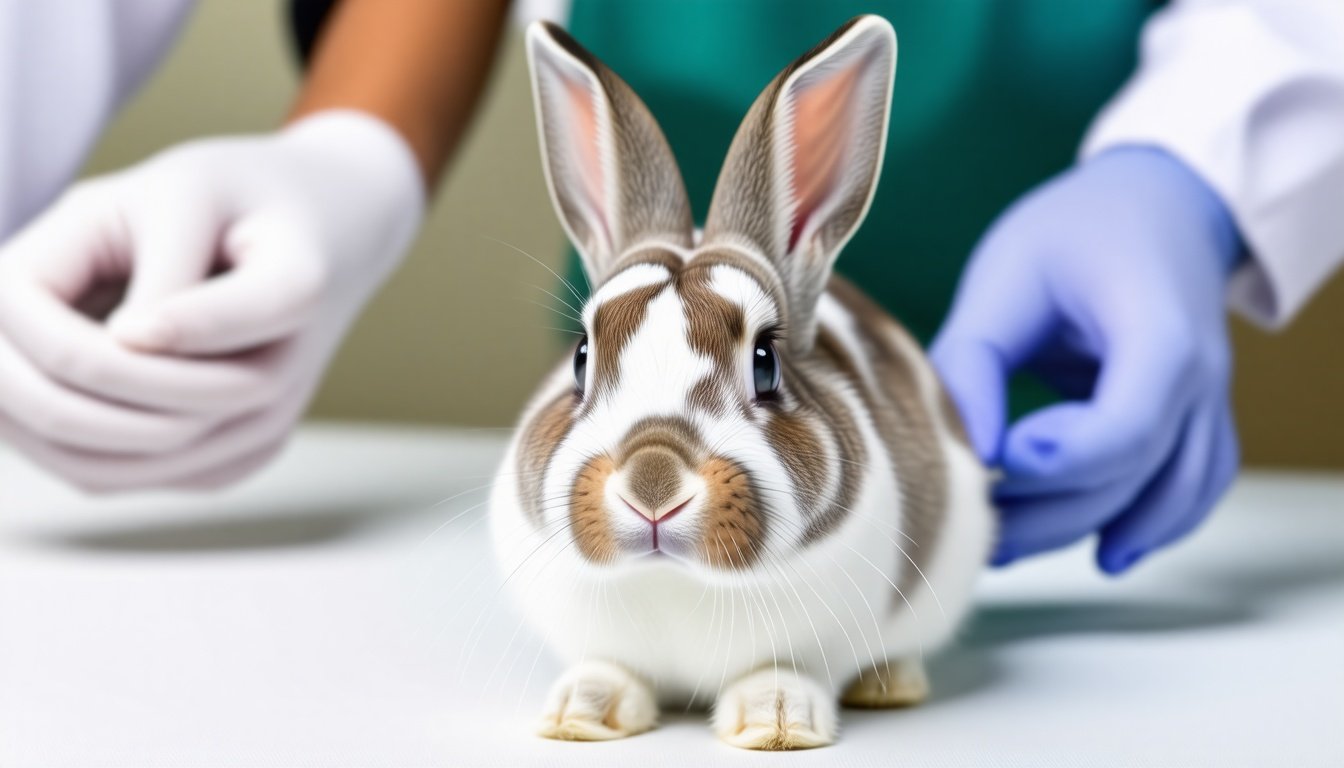
Imagine you are a veterinarian called out to see a rabbit that has suddenly stopped eating, looks a little droopy, and just does not seem like its usual bouncy self. You run through the usual checklist in your head—diet, environment, behavior—but nothing obvious jumps out. You treat, you watch, but the rabbit’s condition creeps worse day by day. Frustrating, right? But then you remember something that might just save this little creature: teamwork.
When a rabbit’s health takes a nosedive, it is not always straightforward what is wrong. Sometimes, the clues lie deeper than what meets the eye—or nose, or paw. This is where the magic of collaboration between clinicians (the vets seeing the animal) and pathologists (the folks peering at tissues under microscopes) truly shines. It may not feel like a superhero move, but it can save lives in the calmest, most brilliant way.
Why Teamwork Matters in Rabbit Cases
Rabbits can be tricky patients. They hide illness well because, in the wild, showing weakness means danger. They have delicate digestive systems, and symptoms can appear vague or confusing. So the vet’s job is tough. Even with all the experience in the world, sometimes the answers are simply hidden inside the body, needing a pathologist’s expertise to unravel.
Picture the vet as a detective in the field—collecting clues, asking questions, listening carefully. The pathologist? The expert working behind the scenes, examining the tiniest details in tissue samples, looking for signs of infection, inflammation, cancer, or other sneaky problems. Alone, each has an important role. Together, they form an unstoppable team.
What Does Each Role Bring?
- Clinicians: They meet the rabbit face to face, check vital signs, watch behavior, and gather history from the owner. They decide which tests or treatments might help.
- Pathologists: They study cells and tissues from biopsies or autopsies under powerful microscopes. They spot things no one else can see and help pinpoint the cause of illness.
One without the other? They might miss the full story. Together? They piece the puzzle into a clear picture.
A Real Rabbit Case: When It Got Personal
Let me tell you about a case that stuck with me. A middle-aged pet rabbit named Clover came in with a mystery illness. She was lethargic, hardly eating, and losing weight fast. The vet ran blood tests and did an ultrasound but found no smoking gun. Antibiotics helped a bit, then not at all. Something wasn’t right.
The clinician decided to take a tissue biopsy from Clover’s gut and asked a pathologist for some help. The pathologist studied the sample and found something unexpected: there were tiny clusters of bacteria actually inside the cells lining the intestine—a condition called intracellular bacterial infection.
That finding changed everything. The clinician adjusted the treatment to target this hidden infection. Clover slowly started to eat again, gained back weight, and got her spark back. Without that teamwork, the correct treatment might have come too late.
Why Did It Matter So Much?
- Hidden Clues: The bacteria hiding inside cells explained why normal antibiotics were failing—they had to use a specific kind that could get inside cells.
- Precision Treatment: It was not just guesswork anymore; treatment was backed by science.
- Better Prognosis: Clover had a chance to recover fully rather than suffer with a mystery illness.
That case makes a strong case for the power of collaboration. It is not about pointing fingers or second-guessing. It is about sharing knowledge, skills, and insights to do the best for the patient.
What Makes Collaboration Tick?
Good teamwork between clinicians and pathologists does not just happen by magic. It grows from curiosity, respect, and a shared goal: helping the animal. When they come together, they bring different perspectives that transform confusion into clarity.
- Communication: The vet tells the pathologist what they see and suspect. The pathologist asks questions and explains findings clearly.
- Trust: Each trusts the other’s expertise without feeling threatened or rushed.
- Patience: Sometimes results take time. Both sides wait with the animal’s welfare in mind.
- Open Mind: Being ready to rethink initial ideas based on new information.
This is not just a professional relationship. It is a human connection with one simple thread—caring.
Sometimes, Rabbit Illnesses Are Deceivingly Complex
Rabbits can develop strange illnesses that mimic others. Gastrointestinal stasis might look like simple constipation, but could actually be a deeper infection or blockage. A lump could be a harmless fatty deposit or something much worse, like a tumor.
This is where the pathologist’s microscope becomes a scene of drama and discovery. They look beyond what the eye sees—at cells, tissues, patterns. They find out if cells are inflamed, dying, or growing wild. They spot parasites that hide or tumors that sneak in silently.
Think of pathology like detective work inside the body’s secret world. What looks simple on the outside can have a whole mystery hidden beneath. Only combined with the clinical story does the pathologist’s report make sense.
Why Should You Care About This Teamwork?
If you have ever loved a rabbit, you know how special they are. They have personality, quirks, moods, and a way of making a quiet home feel alive. Their health affects their happiness and your joy. When vets and pathologists work well together, it means better chances for recovery and longer, happier lives for these little creatures.
It also means fewer times when illnesses are misdiagnosed or treatments fail. And that is a big deal because every wrong guess delays healing and adds stress—for the rabbit, the owner, and even the vet.
It is About More Than Just Medicine
This teamwork reflects something beautiful about care itself. It shows how listening to different voices, pooling knowledge, and working side by side makes a real difference. It reminds us that no one sees the whole picture alone.
So next time you hear about a complicated animal case, remember the hidden world of pathology and the quiet conversations between vet and specialist. Their combined effort is a lifeline.
The Takeaway for Rabbit Lovers and Vets
- Speak Up: If you feel something is off with your rabbit, share every detail with your vet. Small clues matter.
- Ask Questions: Don’t hesitate to ask if further testing or consultation with a pathologist could help.
- Value Patience: Sometimes answers take time, but they are worth waiting for.
- Support Your Vet: They are juggling a lot, and working closely with specialists helps them do their best.
For vets, remember that calling on your pathology colleagues is a sign of strength, not weakness. It shows commitment to the animal’s well-being and to your own peace of mind.
Final Thoughts
Rabbits may be small, but their health stories can be mighty complex. Behind every tricky case is a team of people who care deeply—clinicians chasing clues in the clinic and pathologists unveiling secrets under the lens. Together, they can solve puzzles that otherwise might remain mysteries.
So when a rabbit faces illness that refuses to quit, know that a quiet partnership is at work—bringing science and heart together, making the impossible possible, and helping that little rabbit hop back to life.